

Why Most Wastewater Treatment Plant Failures in UAE (And How to Avoid It)
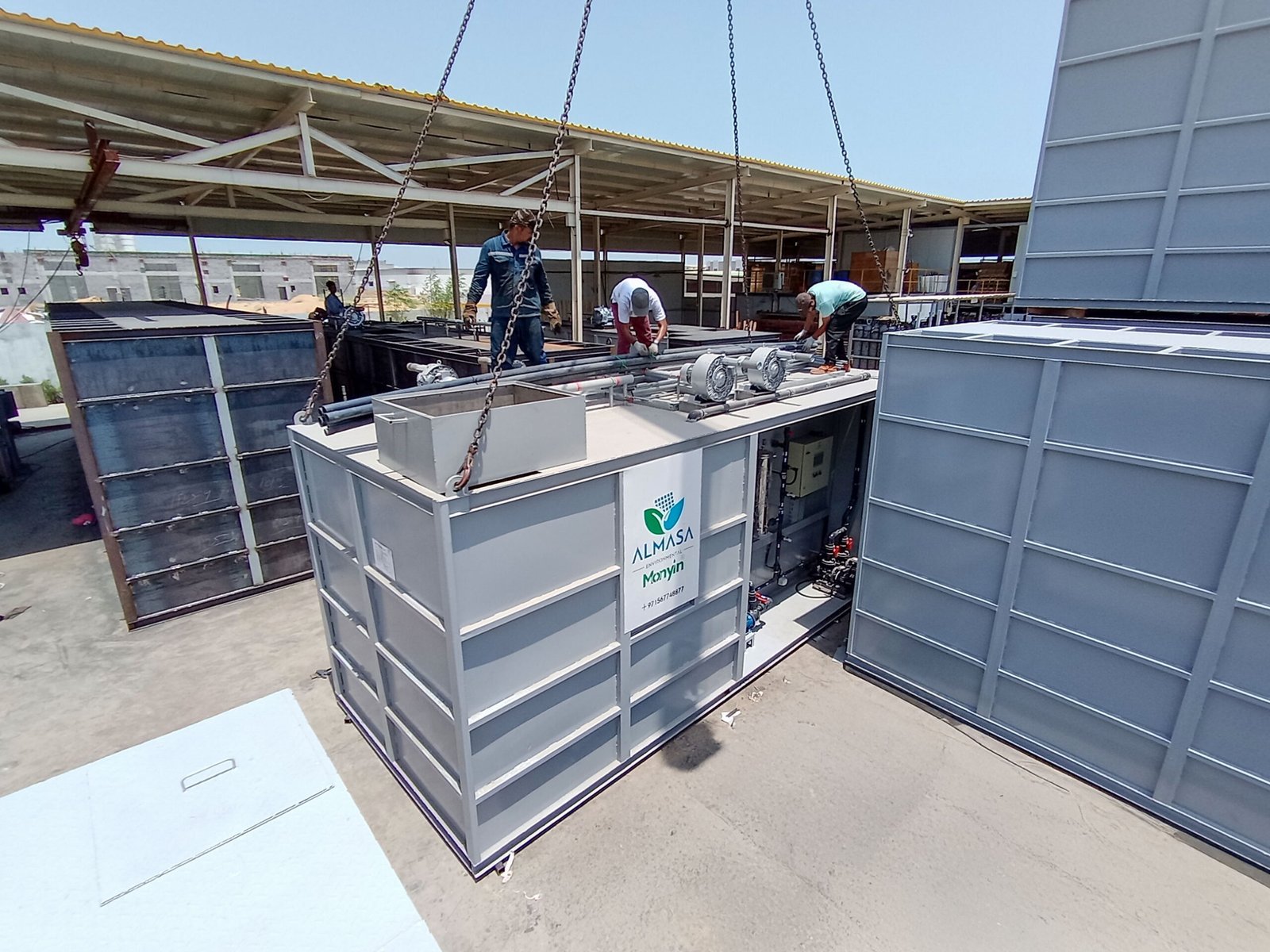
Across the UAE, wastewater treatment plants play a critical role in supporting industries, labour camps, hotels, construction projects, and commercial developments. Yet despite the growing demand for sustainable water management, many wastewater treatment systems struggle to operate efficiently after installation.
In fact, one of the biggest hidden challenges in the industry today is the increasing number of wastewater treatment plant failures in UAE.
These failures lead to:
- Frequent breakdowns
- Environmental non-compliance
- High operational costs
- Odor complaints
- Poor treated water quality
- Expensive emergency repairs
The reality is that most wastewater treatment plant failures are not caused by one major issue but by a combination of poor design decisions, incorrect technology selection, lack of support, and weak operational planning.
This guide explains the most common reasons wastewater treatment plants fail in the UAE and, more importantly, how businesses can avoid these costly mistakes.
Why Wastewater Treatment Failure Is a Serious Business Risk
A poorly performing sewage treatment plant can impact an entire operation.
For industries, labour camps, hotels, and construction projects, wastewater treatment failures can result in:
- Operational interruptions
- Regulatory penalties
- Environmental violations
- Damage to company reputation
- Increased water and chemical costs
In the UAE, where environmental regulations are becoming stricter, plant reliability is more important than ever.
1. Wrong Technology Selection
One of the most common causes of wastewater treatment plant failures in UAE is choosing the wrong treatment technology.
Many projects focus only on:
- Lowest initial cost
- Fast procurement
- Generic system designs
Without considering:
- Wastewater characteristics
- Site limitations
- Climate conditions
- Future expansion
- Water reuse requirements
This often leads to systems that cannot consistently meet operational demands.
Why Technology Matters
Not every wastewater treatment technology is suitable for every project.
For example:
Conventional STP Systems
May work for:
- Large permanent facilities
- Projects with sufficient land area
But they often struggle with:
- Space limitations
- Odor control
- fluctuating loads
MBR Technology
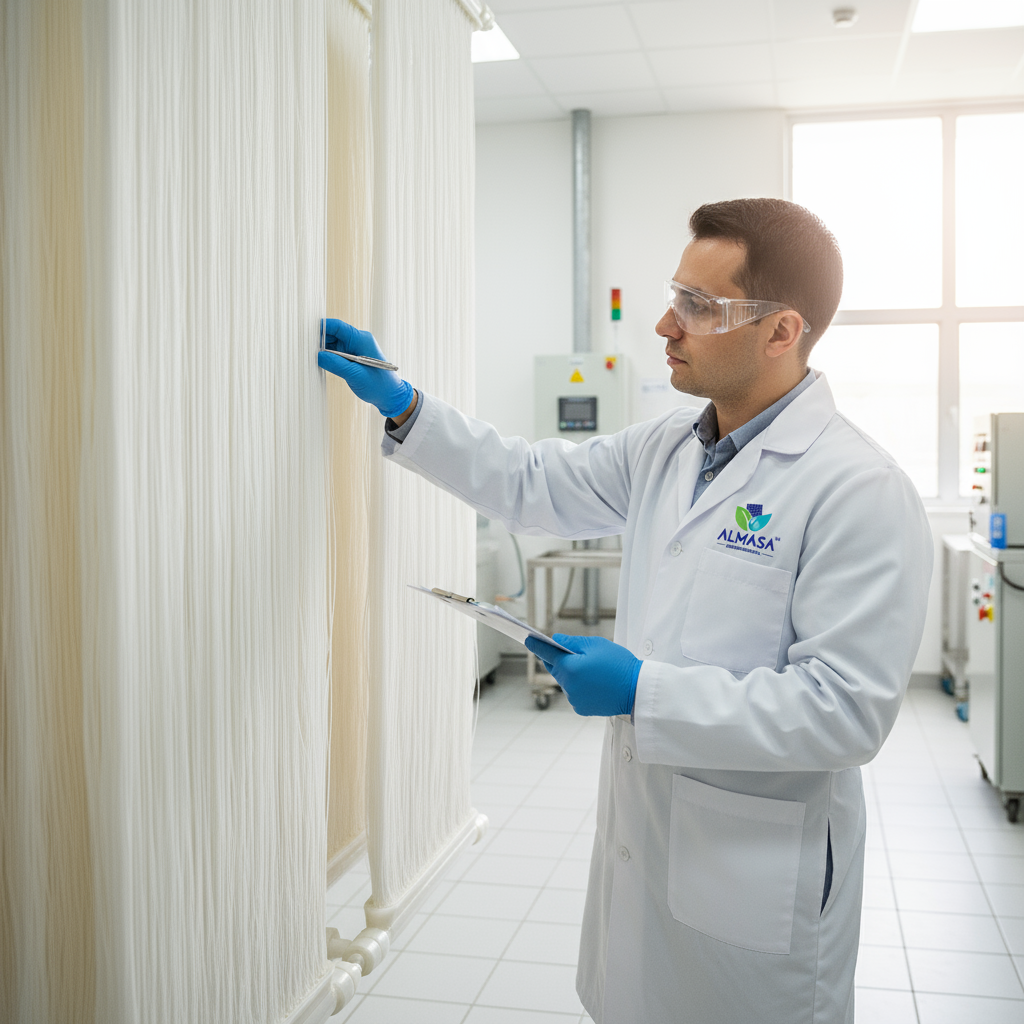
Modern MBR technology UAE solutions provide:
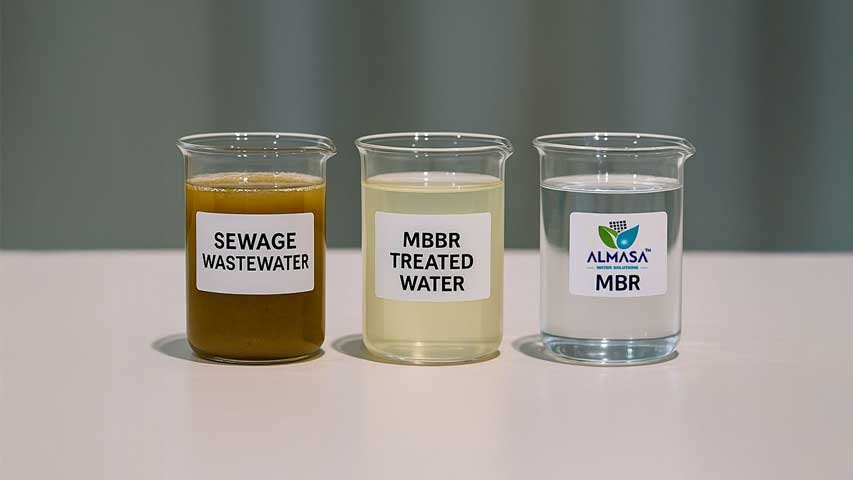
- Superior treated water quality
- Compact footprint
- Stable biological treatment
- Better compliance reliability
This makes MBR systems highly suitable for:
- Labour camps
- Hotels
- Industrial facilities
- Construction projects
Choosing the correct technology from the beginning prevents major operational issues later.
2. Poor Engineering Design
Even good equipment can fail if the engineering design is weak.
Common design problems include:
- Incorrect hydraulic calculations
- Improper tank sizing
- Poor aeration design
- Inadequate sludge management
- Weak piping layouts
Poor engineering typically results in:
- High energy consumption
- Inconsistent treatment performance
- Frequent overflows
- Excess sludge generation
A properly engineered wastewater treatment plant must be customized to the actual wastewater conditions and operational goals of the facility.
3. Lack of Local Manufacturing & Spare Parts
Many imported wastewater treatment systems face serious maintenance challenges in the UAE.
Common problems include:
- Delayed spare parts
- Long technical response times
- Limited local expertise
- Incompatible designs for GCC climate conditions
This can leave plants offline for extended periods during critical failures.
Why Local Manufacturing Makes a Difference
Locally manufactured systems offer major operational advantages:
- Faster delivery times
- Quick spare parts availability
- Better adaptation to UAE conditions
- Faster customization
- Reduced downtime
This is one reason why local wastewater treatment manufacturing is becoming increasingly important across the GCC.
4. Weak Operation & Maintenance Practices
A wastewater treatment plant is not a “set and forget” system.
Without proper maintenance:
- Pumps fail
- Membranes foul
- Biological processes destabilize
- Odors increase
- Effluent quality declines
Unfortunately, many facilities underestimate the importance of preventive maintenance.
Common Maintenance Mistakes
Infrequent Monitoring
Ignoring:
- pH
- dissolved oxygen
- sludge levels
- membrane pressure
can quickly lead to instability.
Delayed Service Response
Waiting too long to address small issues often results in major system failures.
Untrained Operators
Poor operational practices can damage equipment and disrupt biological treatment.
5. Overloading the System
Many wastewater treatment plants fail because the actual wastewater load exceeds the original design capacity.
This commonly happens when:
- Labour camp occupancy increases
- Industrial production expands
- Water usage patterns change
Overloading can cause:
- Poor treated water quality
- Membrane fouling
- Sludge bulking
- Odor generation
Systems should always be designed with realistic operational margins and future expansion considerations.
6. Poor Chemical Control
Chemical dosing plays a major role in treatment performance.
Incorrect dosing can lead to:
- Unstable pH
- Biological treatment disruption
- Excess sludge production
- Increased operating costs
Modern treatment systems focus on optimizing chemical usage while maintaining stable operation.
This is particularly important in industrial wastewater treatment applications.
7. Choosing Price Over Reliability
One of the biggest mistakes companies make is selecting wastewater treatment systems based only on the lowest quotation.
Cheap systems often result in:
- Poor-quality equipment
- Limited support
- Frequent failures
- High operational costs
In wastewater treatment, the cheapest option is rarely the most cost-effective long term.
How to Avoid Wastewater Treatment Plant Failures
Preventing wastewater treatment failures requires a combination of:
- Proper engineering
- Correct technology selection
- Reliable support
- Preventive maintenance
- Long-term operational planning
Key Factors to Look for in a Wastewater Treatment Partner
When selecting a wastewater treatment company in UAE, evaluate:
Technical Expertise
Does the company understand:
- biological treatment?
- industrial wastewater?
- membrane systems?
Local Support Capability
Can they provide:
- fast service response?
- local spare parts?
- technical troubleshooting?
Manufacturing Capability
Local production improves:
- customization
- delivery time
- long-term support
Proven Project Experience
Experience across different industries ensures better problem-solving and system reliability.
Why MBR Technology Is Reducing Failure Rates
Modern MBR systems are helping reduce operational failures because they provide:
- Stable effluent quality
- Compact design
- Lower sludge production
- Better tolerance to load variations
When properly engineered and maintained, MBR systems offer significantly higher reliability than many conventional setups.
The Importance of Fast Technical Support
In wastewater treatment, downtime is expensive.
Fast technical response can prevent:
- Environmental violations
- System shutdowns
- Equipment damage
- Operational disruption
This is why after-sales service is just as important as equipment quality.
The Future of Wastewater Treatment in UAE
The wastewater industry is shifting toward:
- Smart monitoring systems
- Energy-efficient treatment
- Carbon-neutral processes
- Water reuse integration
- Locally manufactured technologies
Companies that adopt modern, sustainable systems today will gain major operational and environmental advantages in the future.