

Why Fuel Cars Are So Outdated Compared to EVs
Today, let’s talk about why compared to electric vehicles, fuel cars seem so outdated?
1. The advantages of electric vehicles are highlighted by the backwardness of fuel cars.
2. The benefits of electric vehicles are revolutionary.
3. The development of electric vehicles will promote a new round of global technological innovation.
First, let’s talk about fuel cars.
Looking at the cars below, don’t they look powerful?
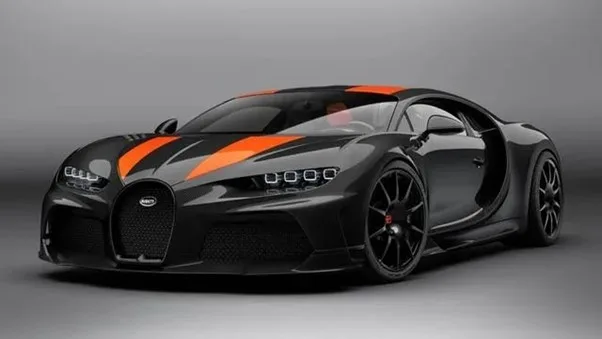
And then there’s this pretentious gadget below, promising that even if a monkey drives it, it instantly becomes an upper-class monkey.
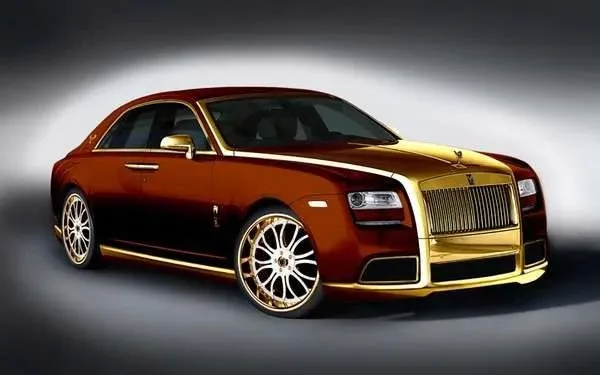
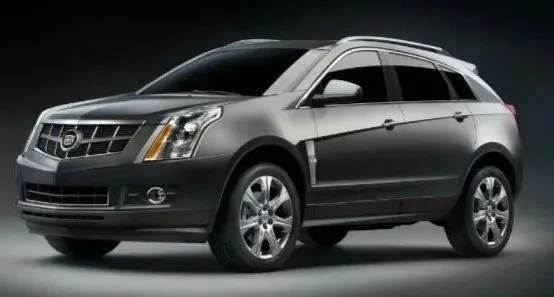

In fact, all these cars look fierce, but they are not fierce at all.
They are exactly the same as the cars below.
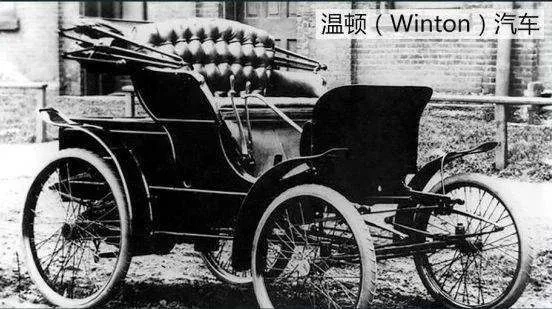
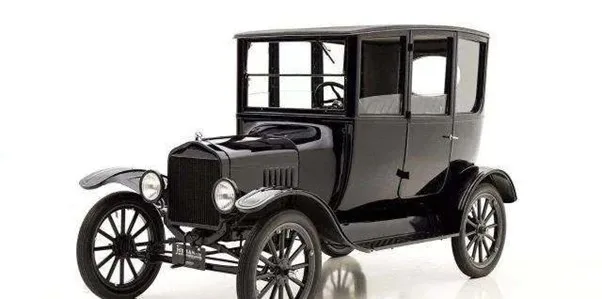
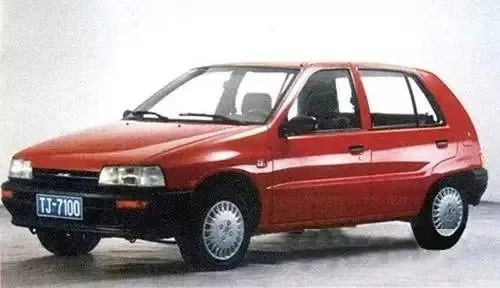
Because they are all fuel vehicles.
They all need to burn fossil fuels.
They are all outdated.
Designing fuel cars with V12, W16 engines makes those lazy drivers instantly feel like they’ve become Schwarzenegger, or at least crossed class boundaries. In reality, this is just marketing masters collecting “intelligence tax” from the wealthy but semi-illiterate class.
Fuel cars are powered by internal combustion engines, a product of the late Watt era. Since its birth in 1885, there has been no substantial progress.
Combustion is a violent oxidation reaction, not as simple as just lighting a fire. It occurs inside the confined space of the engine, an explosive chemical reaction that converts chemical energy into heat energy and then into kinetic energy.
The combustion of fuel inside the engine happens explosively as shown below.
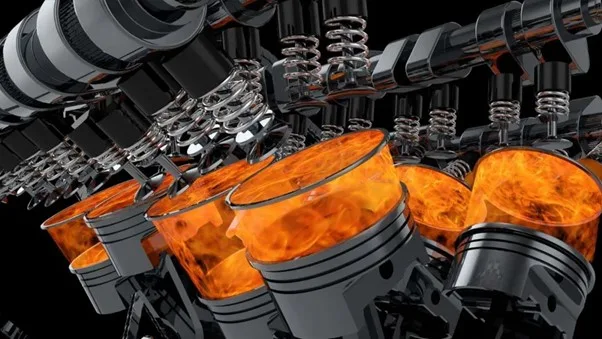
The core temperature can reach over 2500 degrees Celsius, and the pressure easily exceeds 100 atmospheres. With modern high-pressure common rail technology, the cylinder pressure in diesel engines has reached an astonishing 3000 atmospheres.
How to understand this pressure?
For an average free diver, at 8 meters deep, that’s only 1.8 atmospheres, and your ears already hurt.
Professional divers can handle 20-30 atmospheres; beyond that, it becomes dangerous.
The deepest place on Earth, the Mariana Trench, is only about 1300 atmospheres.
Yet, inside some internal combustion engines, the pressure reaches 3000 atmospheres.
Not only is the pressure immense, but each combustion chamber must constantly switch between high and low pressure, sometimes switching over 100 times per second.
For every kilometer your fuel car drives, there are 4000 explosions happening inside, and over 20 major mechanical parts move back and forth 40,000 times.
So why don’t you feel it?
The only real “progress” in over 100 years of fuel car development is making you unable to feel these explosions and fires happening inside.
The technical principle of fuel cars was discovered by humans hundreds of thousands of years ago, as shown below:

Because of this outdated technological paradigm, this energy conversion device has become incredibly complex.
Your car’s engine is just as complex as the one below, whether it’s a Toyota Corolla, Nissan Tiida, or a Mercedes BMW, they’re all the same.
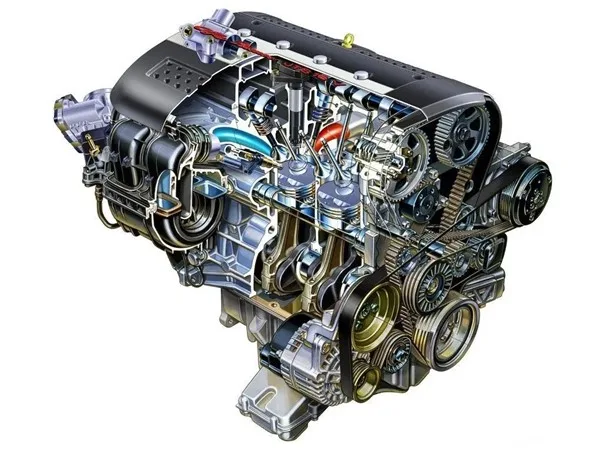
Due to this outdated paradigm, it leads to even more absurd complexities.
Look at this thing below. Although it looks ugly, all the power generated from burning the expensive fuel you paid for is sent into this twisted contraption, and then distributed to the rest of the car.

Because all power comes from a single source, every other component that needs power must be connected via mechanical devices, leading to even more complexity, as seen below.
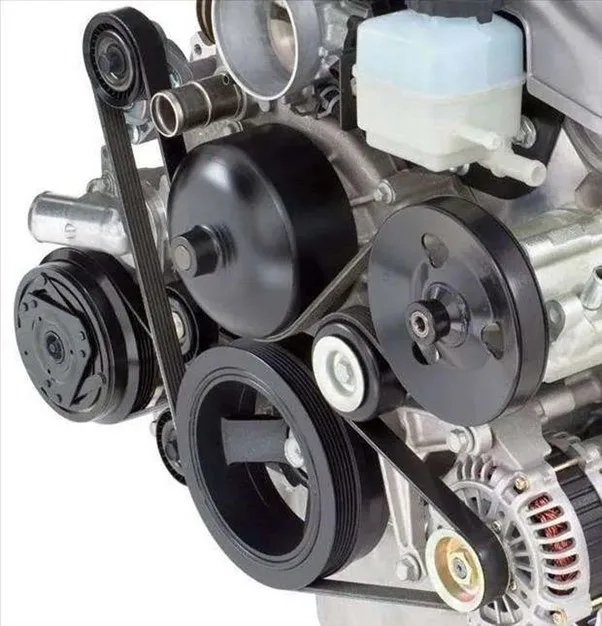
Since the entire car’s power comes from this crankshaft, your air conditioner, alternator, power steering, water pump, brake booster, etc., all have to siphon power off this single shaft.
Consequently, your air conditioner only has two states: on or off. When you’re driving fast on the highway, the engine spins fast, so the AC blows hard. When you’re stuck in traffic in the city heat, the engine idles slow, so the AC gets weak. Trying to adjust the cooling power based on cabin temperature is impossible, literally impossible.
Even more complexity is found here: the gearbox.
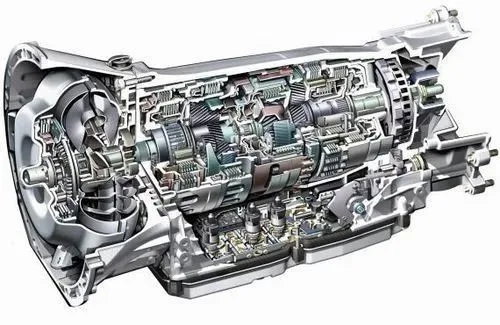
I won’t go into technical details (to be honest, I don’t know that much anyway), but just understand that this thing was made complex to the absolute limits of human materials and engineering just to compensate for the outdated power delivery of fuel cars and so you don’t have to press a clutch pedal yourself.
And then there’s this: the differential lock.
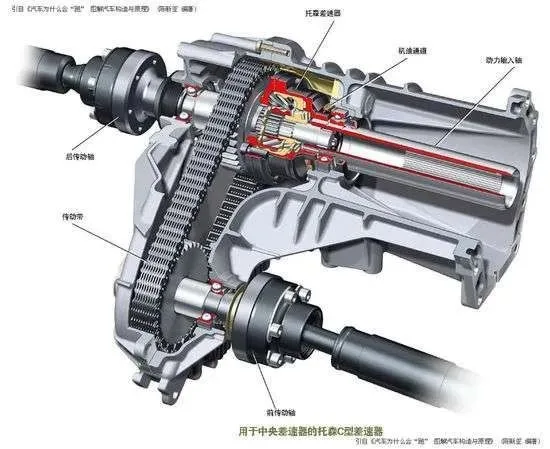
We often see in some low-brow media saying, “This car has three differential locks, so awesome!”
“This car can automatically distribute torque to all four wheels, so amazing!”
Actually, this is a very ignorant way of speaking.
Because modern differential locks and torque distribution systems are merely band-aid solutions forced by this outdated power method.
Look at this thing below: the clutch.
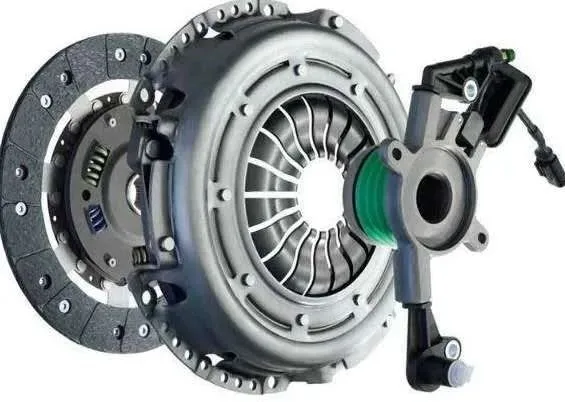
Don’t think only manual cars use this. Whenever your engine is spinning but the car isn’t moving, you need this. It just looks different and works slightly differently, but just because you don’t operate it manually doesn’t mean it doesn’t exist.
Even the much-hyped Audi Quattro multi-plate clutch differential looks like this:
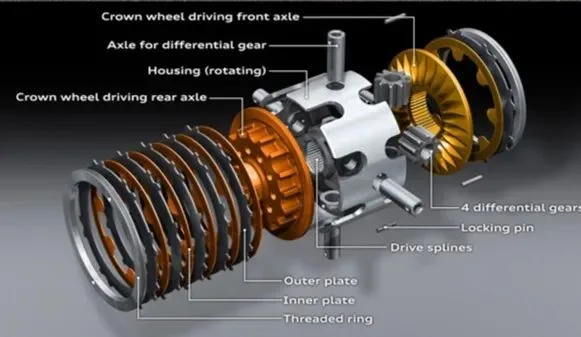
It achieves the so-called “torque distribution.”
But essentially, this thing just wastes excess energy by turning it into heat through friction plates.
Humans have landed on the moon over 50 years ago. We talk about AI, quantum computing, brain-computer interfaces… yet we are still using vehicles that waste energy just to reduce efficiency.
Sad, isn’t it?
Although gasoline engines can now reach 40% efficiency, due to the overall outdated energy usage and complex transmission systems, the total efficiency of the vehicle is less than 15%.
If you park the car and just run the AC, the efficiency drops to around 6%.
A total waste of resources, isn’t it?
In fact, theoretically, gasoline can be cracked and catalyzed to generate electricity directly via fuel cells.
But perhaps due to human laziness, or perhaps because we are too busy enjoying lipstick, perfume, high heels, moisturizers, mobile games and short videos, humanity has become soft. Over the years, very little research has been done in this area. We just happily and ignorantly burn fossil fuels until today.
It seems as long as we can have fun, technological paradigms don’t matter.
Now, it’s probably too late anyway. Society and the market can’t wait for that kind of research anymore. Now we are directly moving towards chemical energy storage and electrification.
Please note: Fuel cells generate electricity through an electrochemical reaction, converting chemical energy directly into electricity, and then into motion. Our current piston engines still belong to the paradigm of the late Watt era.
Sad, isn’t it?
I rambled on just to make one point clear: Due to their outdated energy usage, fuel cars have incredibly complex engines and systems, and this backwardness and complexity inherently limit their further development.
Because everything is driven by a rotating crankshaft, starting, steering, accelerating, braking, parking are all complicated mechanical linkages.
For over a century, all human ingenuity has gone into making these mechanical movements smoothly adapt to our turning, pressing, and pulling actions.
This also注定 (doomed) them to be incompatible with electrical signals, and thus注定 them to be obsolete in the intelligent era.
Some people might think, “The complexity and backwardness are just the manufacturer’s problem, right? I buy the car, fill it up, and drive. Why should I care?”
Wrong. You definitely should care.
First, your car needs fuel to move, and it’s not just about the money.
Petroleum is a precious industrial raw material. Only the uneducated would burn it directly just to move around.
From this perspective, technologies like fuel injection, turbocharging, variable valve timing, direct injection, variable compression ratio, cylinder deactivation, and even that shameless CVVD technology the Koreans are bragging about lately… they are just minor inventions to make the fire burn slightly better. Anyone with basic education would be too embarrassed to even mention them.
Second, driving a fuel car means paying the “intelligence tax.”
Because fuel cars are so outdated and ridiculously complex, you have to take them to workshops for regular maintenance: lubrication systems, cooling systems, ignition systems, transmission systems, engine decarbonizing, filters, gearbox servicing, etc.
The principles are simple, taught in high school physics: thermodynamics and basic mechanics.
But when applied to different brands and designs, they are made so complicated that even an MIT physics professor couldn’t figure them all out.
An industry with high technical barriers yet touching everyone’s daily life naturally becomes the biggest cesspool of scams and exploitation.
Third, you have to put up with all kinds of discomfort.
In a fuel car, since all power comes from that crankshaft, if you want to sit in the parked car with AC on, or turn on the headlights, or even just turn up the volume or roll down the window… you have to start the engine.
Once the engine starts, there are at least 1400 explosions per minute, causing vibration and noise. If you think that’s acceptable, it’s only because you haven’t driven an electric car yet.
Besides the noise and vibration, you’re burning 0.7-2.0 liters of fuel per hour. As I said before, that’s literally burning money/resources.
Finally, let’s take a look back at this fading era.
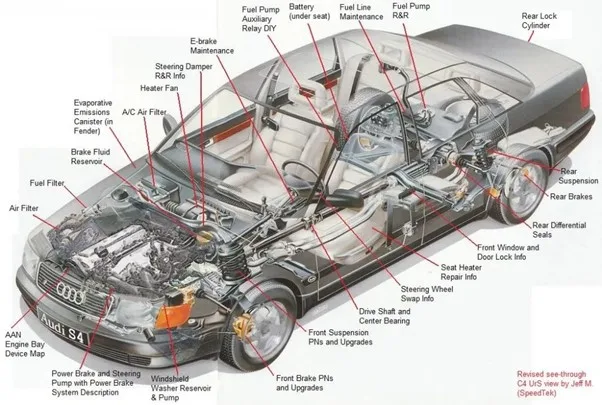
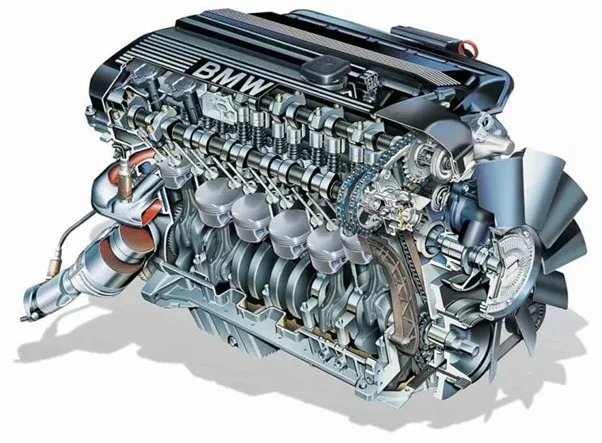
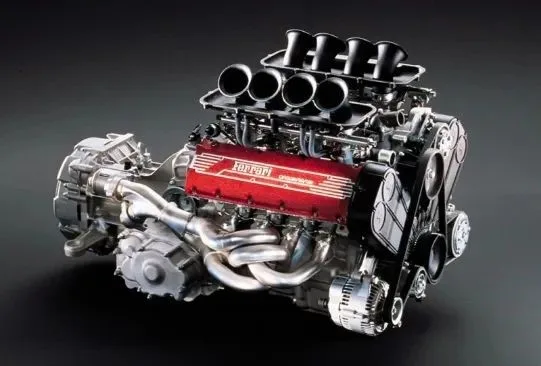
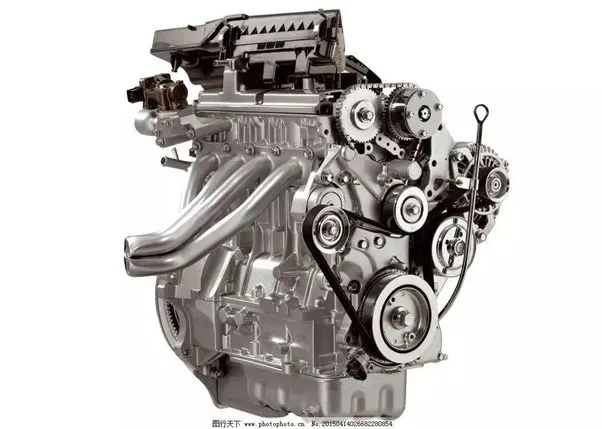
Here are some pictures of the “wood burners” from the end of the Watt era.
Years ago, as a guy who grew up in the countryside, I looked at these and saw industrial beauty and human ingenuity.
Now, looking at them as consumer products, I just see something ridiculously complex, stupid, and an absolute waste of nature’s resources.
Okay, now let’s bid farewell to this era and enter the age of electric vehicles.
So, what makes electric vehicles advanced?
All the advantages of EVs come from one thing: they are driven by electricity and controlled by electrical signals.
Below is the drive system of a Weltmeister car.
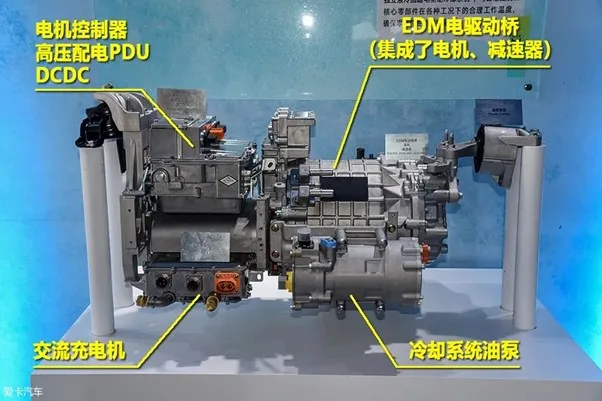
The first revolutionary advancement is the drive system.
Compared to internal combustion engines, for the same power output, electric motors are smaller, lighter, respond instantly, deliver massive torque even at low speeds, last incredibly long, and are virtually maintenance-free.
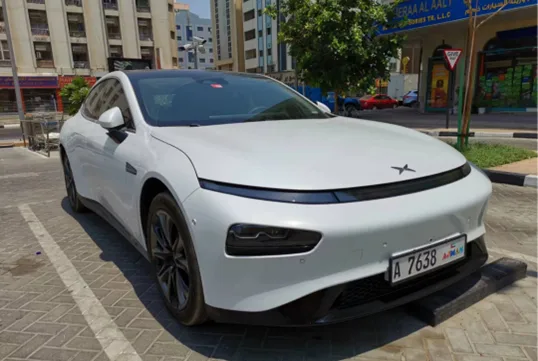
I mentioned before, my Xiaopeng G3 has a 145kw motor. On paper, it’s less than a 2.0T GAC GS8. But the acceleration feels like a Lexus RX350 mated with a Land Cruiser V8 5.7 engine.
The reason is exactly those insane advantages of electric drive.
And that’s just the current version. The next step looks like this:
This is an in-wheel motor. One wheel = one motor.
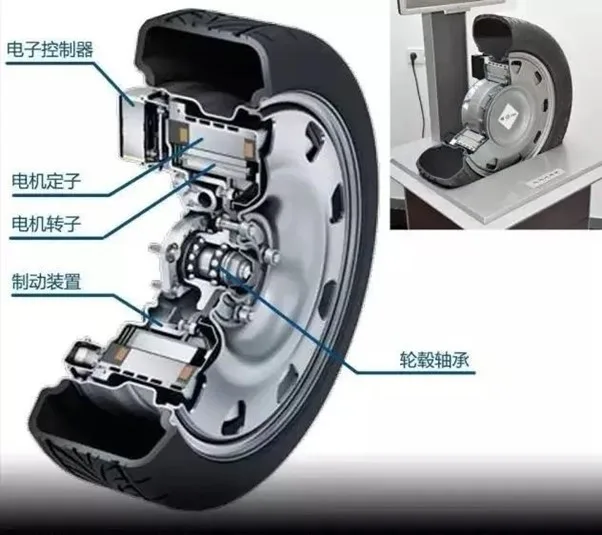
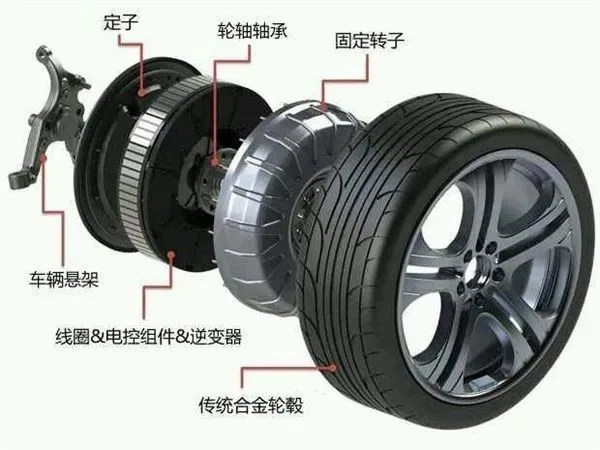
What’s the revolutionary benefit?
Look at this: This is how a fuel car’s drivetrain works.
Power flows from Engine -> Clutch -> Gearbox -> Propeller Shaft -> Differential -> Half Shaft -> Wheels.
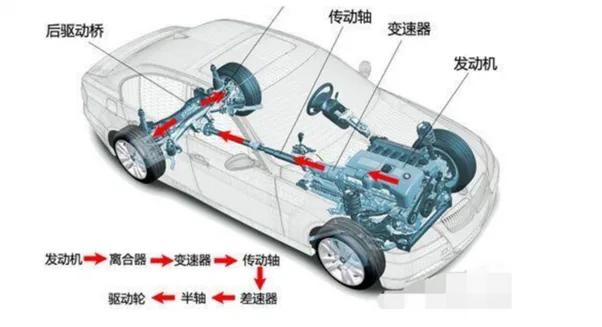
This is what those mechanical parts look like.
You don’t need to understand them, just know they are extremely complex.
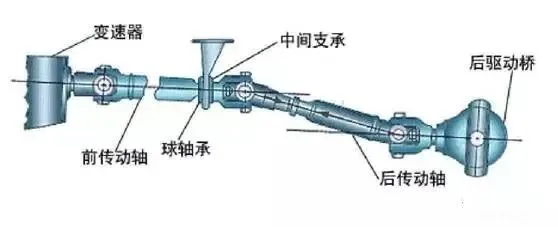
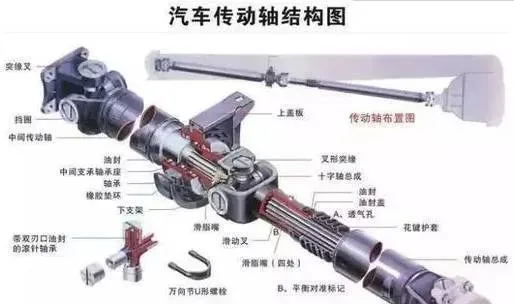
An electric car’s drivetrain looks like this:
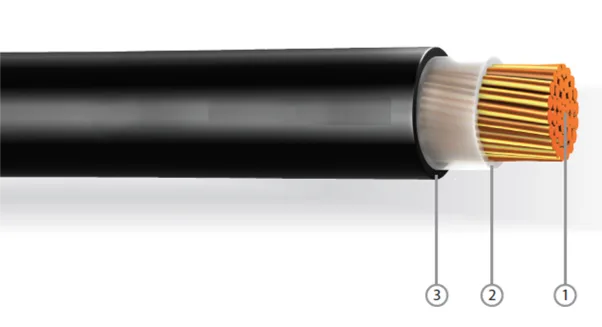
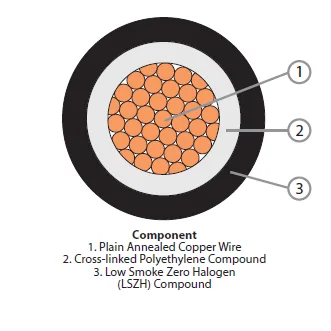
Yes! For an electric car, transmission can be done with a single 25mm² copper wire. If that’s not enough, use two 35mm² wires.
The drive unit is inside the wheel. The transmission system is just wires and controllers. This makes it easy to build 1WD, 2WD, 3WD, 4WD, part-time, full-time, front lockers, rear lockers, center lockers… whatever you want, however you want to distribute torque, it’s all easy to achieve.
Of course, this tech is still in development and rarely used today.
So every time I see those ignorant media outlets bragging about how awesome some off-road vehicle’s crawling mode or torque distribution is, how it can “crush” everything else… I just feel pity. Are they blind or illiterate?
This is like bragging about the world’s most advanced steam engine, claiming it’s so powerful it can go to the moon!
Second, the energy comes from a battery. Wherever you need power, just run a wire there.
Take power steering: just run a wire, and you can even adjust how heavy or light the steering feels, make it masculine or feminine, whatever you like.
Or the air conditioner: just a 4.0mm wire, and it’s inherently variable frequency. It can’t *not* be variable frequency if it tried.
With these advantages, the car becomes a mobile home. Fully charged, you can park anywhere you like, stay inside with the AC on, work, think, write, make presentations, roll up the tinted windows and watch videos… you could survive a week. Average cost: 7 RMB per day, not including internet or instant noodles.
Of course, theoretically you could do this in a fuel car too, but the cost would be 244.80 RMB per day, also excluding internet and noodles, plus you have to change the oil every 10 days.
My dream is to convert a small electric car into a mobile office like this, so I can have a quiet desk without complaining like some people.

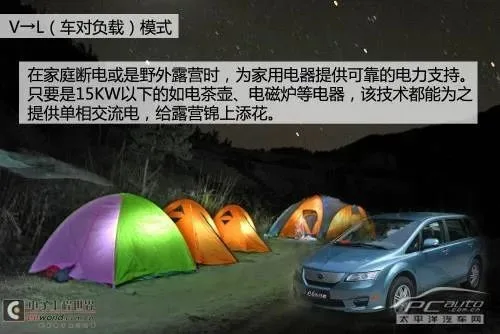
Also, there’s BYD’s V2G technology: the car battery can invert power, turning the car into a power station capable of outputting 15kw. Years ago, a BYD E6 could have powered my whole village!
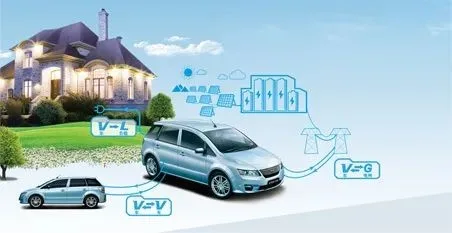
Similarly, because the battery is a large energy storage unit, the car can be used for grid balancing.
When you’re not driving, you charge when electricity is cheap, and sell back to the grid when it’s expensive.
It looks something like this:
The biggest price difference in China is in Beijing, with a gap of 1.15 RMB per kWh.
An 80kWh battery, using 65kWh practically, could earn you 2242.50 RMB per month.
Of course, this is theoretical. Current ternary lithium batteries degrade fast if cycled daily, lasting only about a year.
For this, you need LFP batteries. Lab lifespan is 7000 cycles, real world about 3000. Potential earnings: 220,000 RMB.
Another insane advantage of EVs is regenerative braking. A moving car carries huge kinetic energy. When slowing down, a fuel car turns that energy into heat in the brake discs and dissipates it into thin air. That’s why you have to change brake pads often.
In an electric car, you can send that energy back into the battery. Awesome, right?
I always keep regen on maximum in my G3. I’ve driven 8000km and barely touched the brake pedal, only use it to come to a complete stop.
Third, electrification is the foundation of intelligence.
As mentioned before, fuel cars burn fuel to create heat to create motion. Due to their complex mechanical nature and reliance on a crankshaft, they have isolated themselves from the intelligent era.
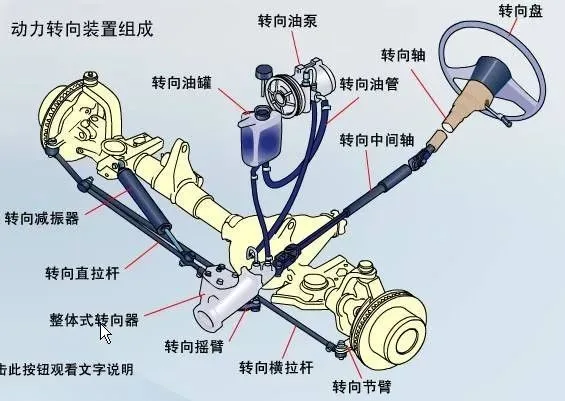
Take steering as an example.
A traditional fuel car steering system looks like this.
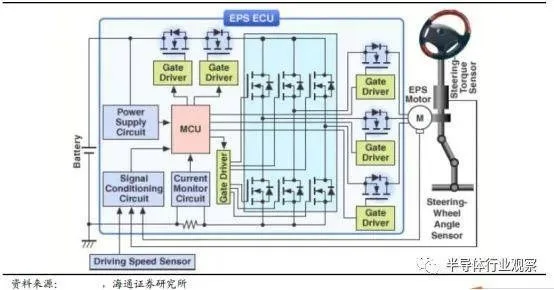
An electric car steering system looks like this.
In fact, if it weren’t for the need to satisfy human hands, we wouldn’t even need that round steering wheel.
Turning the wheel just sends a signal to a torque sensor. That signal is processed, the computer checks conditions, gives the command, and then power transistors (MOSFETs) drive the motor to turn the wheels. All of this happens in milliseconds.
This is the most beautiful and elegant part of electrification.
If we compare cars to computing devices:
A fuel car looks like this.
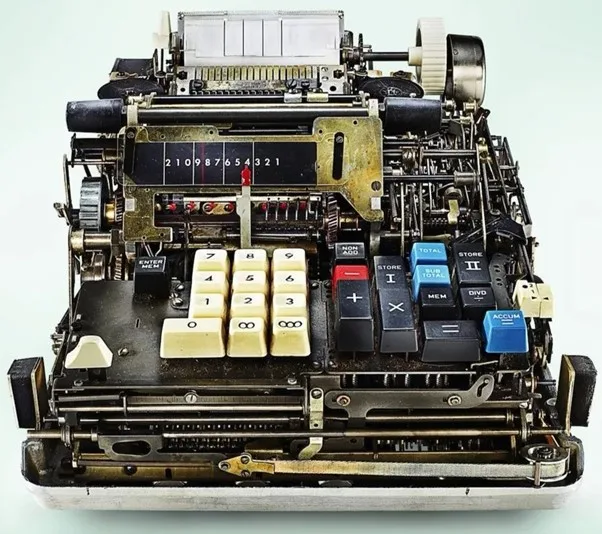
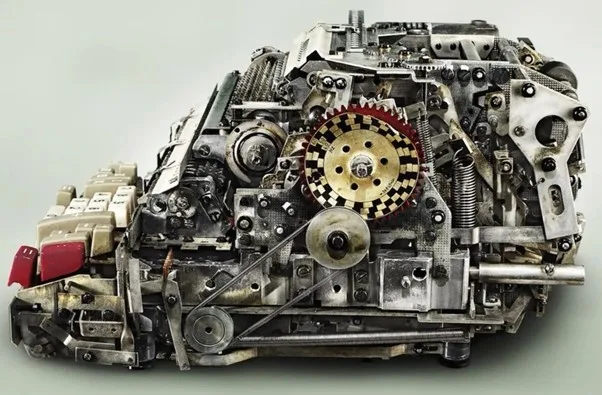
An electric car looks like this.

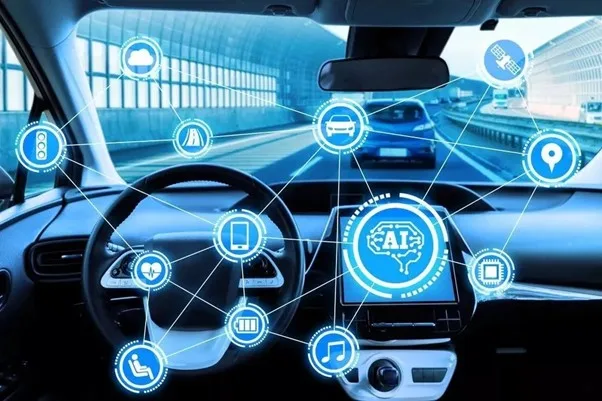
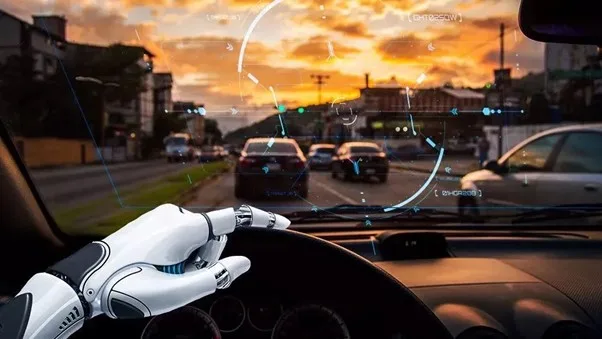
Simply put, because everything in an EV—driving, transmission, control—is electronic and digital, it is naturally compatible with the cloud, big data, AI, autonomous driving, 5G… and they are merging at a speed visible to the naked eye.
If you haven’t realized this and you’re still happily buying fuel cars today… it just means you haven’t updated your knowledge yet. You need to catch up quickly.
Here are some images of reality and the future.
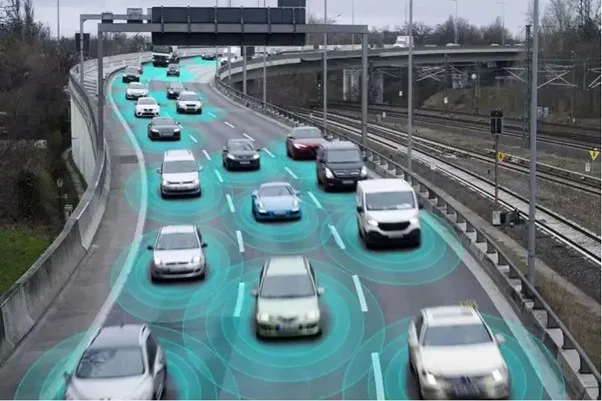
And so, a new era begins.
Today, choosing an electric vehicle
means choosing a new way of life.
It means choosing to stop burning resources just to get by.
It means showing disdain for those century-old zombie companies.
It means embracing new technology.
And most importantly, it declares that you are finally educated and awake.