

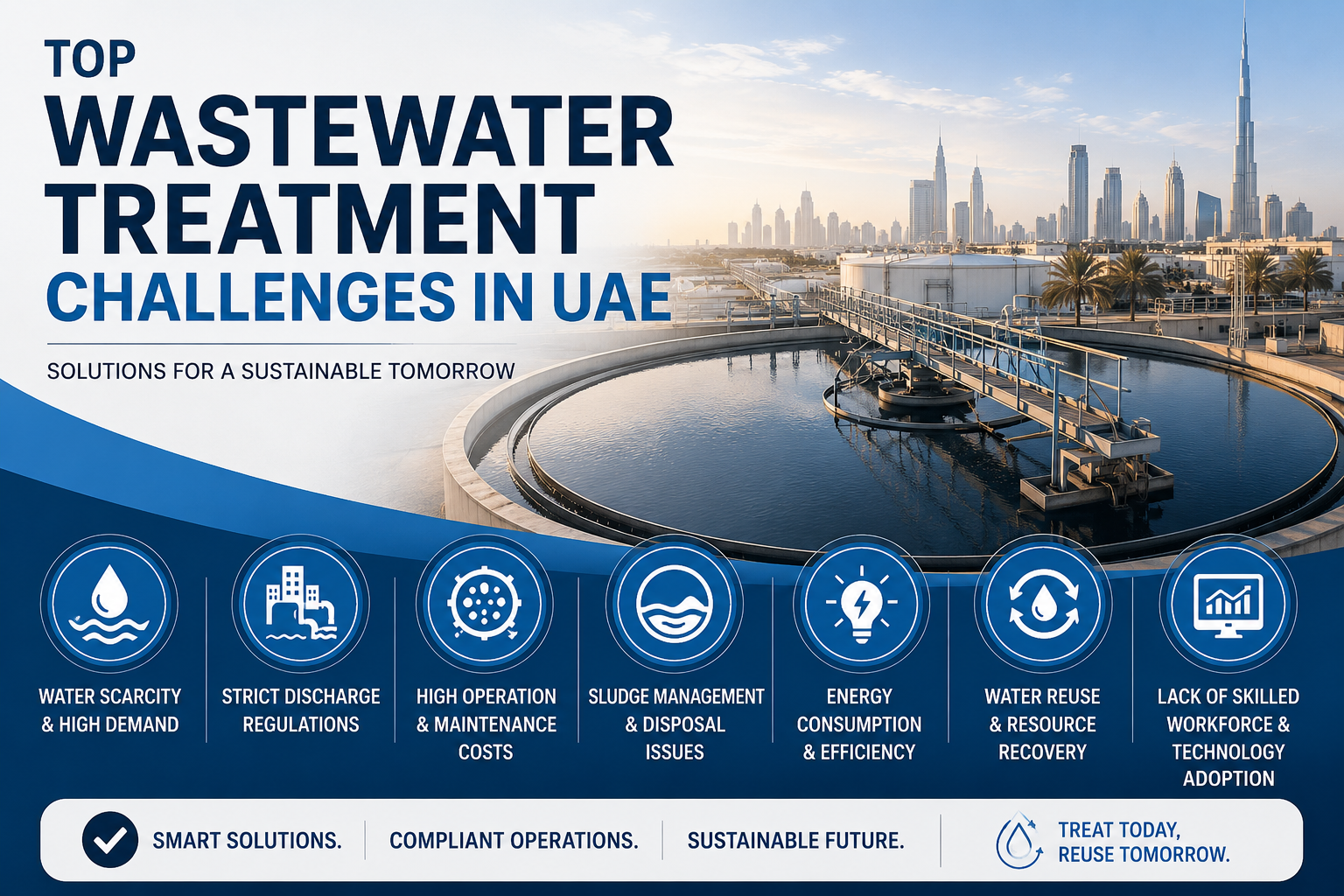
Top Wastewater Treatment Challenges in UAE and How to Solve Them
Wastewater Treatment Challenges in UAE industries, hotels, labour accommodations, and commercial facilities face are becoming increasingly complex as environmental regulations tighten and water sustainability becomes a national priority.
Across the UAE and GCC region, wastewater treatment plants are expected to deliver consistent performance, comply with discharge standards, reduce operational costs, and support water reuse initiatives. However, many facilities continue to struggle with recurring technical issues that impact efficiency, increase maintenance costs, and threaten compliance.
Understanding these challenges and knowing how to address them can significantly improve plant performance and long term operational reliability.
In this article, we explore the most common wastewater treatment challenges in UAE and the proven solutions organizations are adopting to overcome them.
Why Wastewater Treatment Is More Important Than Ever
The UAE faces unique environmental pressures:
- Limited freshwater resources
- Growing population and infrastructure
- Increased industrial activity
- Sustainability and ESG targets
- UAE Net Zero 2050 commitments
As a result, wastewater treatment is no longer simply a compliance requirement. It has become a critical component of operational efficiency, environmental stewardship, and resource conservation.
Challenge 1: Inconsistent Effluent Quality
One of the most common issues affecting wastewater treatment plants is inconsistent treated water quality.
Common Causes
- Poor biological treatment
- Equipment malfunction
- Improper plant design
- Inadequate operator training
- Variable wastewater loading
Solution
Advanced treatment technologies such as Membrane Bioreactor (MBR) systems provide stable treatment performance and consistently high quality effluent even under changing operating conditions.
Proper system monitoring and routine maintenance also play a critical role in maintaining compliance.
Challenge 2: Aging and Underperforming STPs
Many treatment plants installed years ago were designed for smaller populations or lower wastewater volumes.
Today, these systems often struggle to meet current demands.
Signs of an Aging Plant
- Frequent breakdowns
- Poor effluent quality
- High maintenance costs
- Odour issues
- Rising energy consumption
Solution
Rather than replacing the entire system, facilities can often benefit from targeted upgrades, process optimization, or MBR retrofits that extend asset life and improve performance.
Challenge 3: Lack of Technical Support
A common complaint among facility managers is delayed response times from equipment suppliers.
When wastewater treatment plants encounter operational issues, delays can quickly escalate into compliance risks.
Solution
Choosing a wastewater treatment partner with local manufacturing capabilities and dedicated technical support ensures:
- Faster service response
- Reduced downtime
- Better spare parts availability
- Long term operational reliability
Challenge 4: High Operating Costs
Wastewater treatment plants can become expensive when systems are poorly designed or inefficiently operated.
Major cost drivers include:
- Excessive chemical consumption
- High energy usage
- Frequent repairs
- Tanker disposal costs
- Membrane replacement expenses
Solution
Modern treatment technologies focus on:
- Energy efficient aeration
- Smart automation
- Optimized chemical dosing
- Water reuse
These measures can significantly reduce operational expenditures.
Challenge 5: Membrane Fouling and Process Instability
Facilities using membrane systems sometimes experience performance issues due to membrane fouling.
Causes
- Poor pretreatment
- Excessive solids loading
- Inadequate maintenance
- Incorrect operating parameters
Solution
Proper membrane selection, regular maintenance, and optimized process control help maintain stable operation and extend membrane lifespan.
High quality MBR systems are specifically designed to minimize fouling while maximizing treatment efficiency.
Challenge 6: Water Scarcity and Increasing Demand
The UAE remains one of the world’s most water stressed regions.
Freshwater availability continues to be a major concern for:
- Hotels
- Labour camps
- Industrial facilities
- Commercial developments
Solution
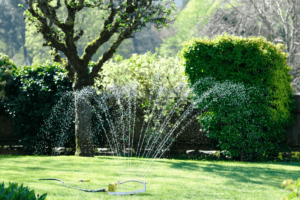
Water reuse is becoming essential.
Advanced treatment systems enable treated wastewater to be reused for:
- Landscaping
- Irrigation
- Toilet flushing
- Industrial processes
- Construction activities
This reduces freshwater demand while lowering utility costs.
Challenge 7: Meeting Sustainability Goals
Organizations today face increasing pressure to reduce environmental impact and support sustainability initiatives.
Many traditional treatment systems rely heavily on:
- Hazardous chemicals
- Energy intensive processes
- High carbon footprints
Solution
Modern wastewater treatment technologies focus on:
Carbon Reduction
Lower energy consumption and optimized operations.
Chemical Reduction
Innovations such as acid free treatment reduce dependency on corrosive chemicals.
Renewable Energy Integration
Solar powered wastewater treatment systems can significantly reduce emissions.
Circular Water Economy
Treated wastewater becomes a reusable resource instead of waste.
The Role of MBR Technology in Solving Wastewater Challenges
Membrane Bioreactor technology has emerged as one of the most effective solutions for addressing many of the challenges discussed above.
MBR systems provide:
- Superior treated water quality
- Compact footprint
- Better compliance performance
- Reduced odour
- Improved operational stability
- Enhanced water reuse capability
For many organizations, MBR technology has become the preferred choice for future ready wastewater treatment.
Why Local Manufacturing Matters
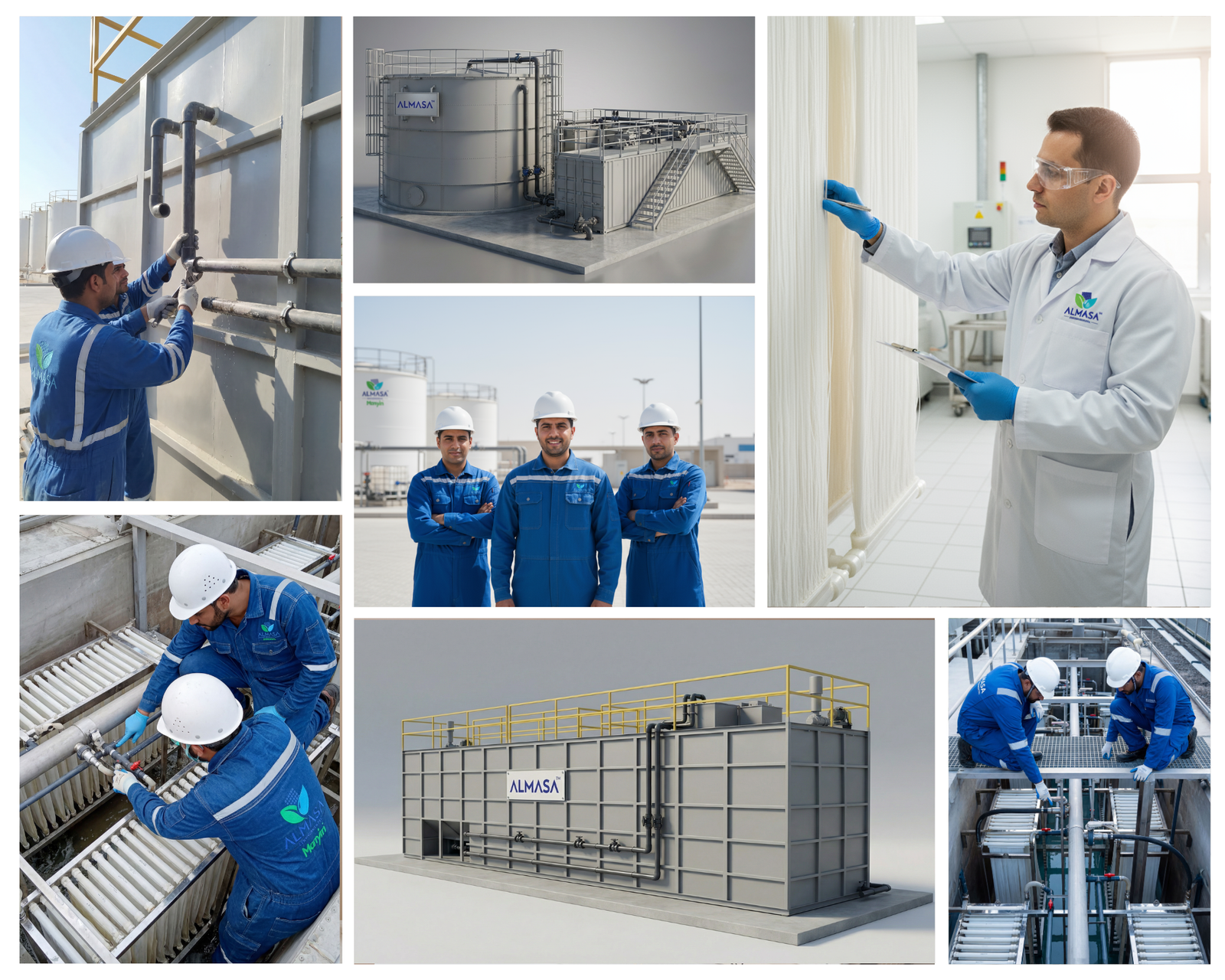
One of the biggest lessons learned across the GCC wastewater industry is the importance of local manufacturing and support.
Locally manufactured systems offer:
- Faster Delivery: Reduced project lead times.
- Better Customization: Designed specifically for regional conditions.
- Faster Technical Support: Immediate response when assistance is required.
- Spare Parts Availability: Reduced operational downtime.
These advantages contribute directly to long term plant performance and customer satisfaction.
Supporting UAE Sustainability Goals
Advanced wastewater treatment plays a key role in helping organizations align with the UAE’s environmental objectives and water conservation initiatives.
Efficient treatment systems support:
- Water reuse
- Resource conservation
- Reduced environmental impact
- Carbon reduction strategies
- Sustainable infrastructure development
These efforts contribute directly to the UAE’s vision for a more sustainable and resilient future.
The Future of Wastewater Treatment in UAE
The wastewater industry is evolving rapidly.
Future trends include:
- Smart treatment plants
- Artificial intelligence monitoring
- Carbon neutral treatment processes
- Advanced membrane technologies
- Renewable energy integration
- Closed loop water reuse systems
Organizations that invest in modern wastewater treatment technologies today will be better positioned to meet future environmental and operational requirements.
Conclusion
The wastewater treatment challenges in UAE faced by organizations are significant, but they are also solvable.
By adopting advanced technologies, upgrading aging infrastructure, improving operational practices, and partnering with experienced solution providers, businesses can achieve reliable treatment performance, lower operating costs, and stronger environmental compliance.
As water conservation and sustainability become increasingly important across the region, investing in effective wastewater treatment solutions is not simply a regulatory requirement it is a strategic business decision.