

Signs Your STP Needs Upgrading: 9 Warning Signs Facility Managers Should Never Ignore
Signs Your STP Needs Upgrading are often overlooked until wastewater treatment problems become serious enough to impact operations, environmental compliance, and maintenance budgets. Across the UAE, many sewage treatment plants (STPs) installed years ago are now operating beyond their intended design capacity or struggling with aging equipment.
Whether serving labour camps, hotels, industrial facilities, staff accommodations, or commercial developments, a poorly performing STP can lead to rising costs, compliance risks, unpleasant odors, and recurring breakdowns.
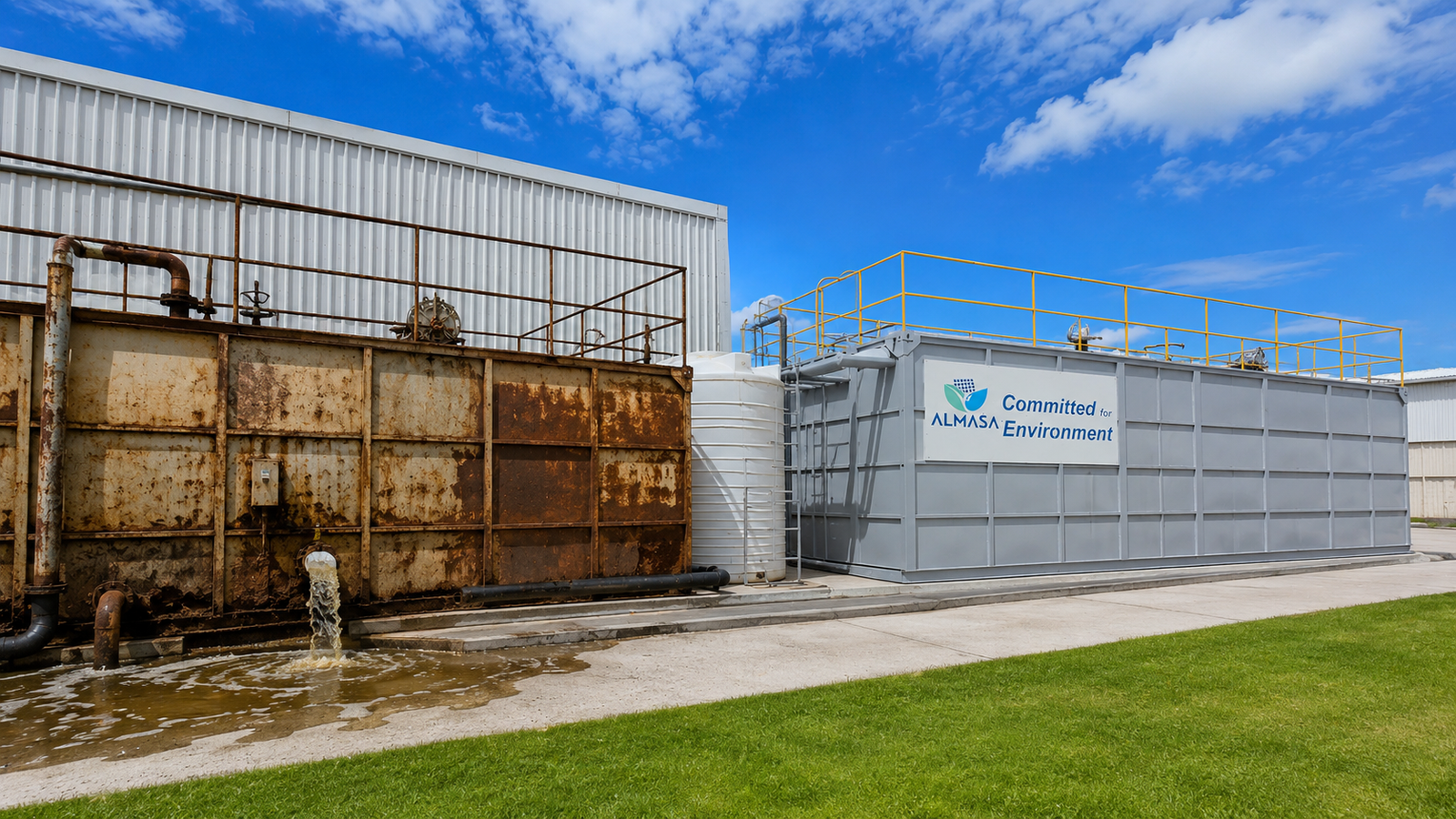
The good news is that a complete replacement is not always necessary. In many cases, targeted upgrades, process optimization, or MBR retrofits can significantly improve plant performance while extending the life of existing infrastructure.
Here are the most common warning signs that indicate your sewage treatment plant may need an upgrade.
1. Effluent Quality Is No Longer Meeting Standards
One of the clearest signs your STP needs upgrading is declining effluent quality.
You may notice:
- Cloudy treated water
- High suspended solids
- Failed laboratory test results
- Difficulty meeting discharge requirements
- Reduced water reuse capability
As regulations become stricter and facilities seek higher quality treated water, older systems often struggle to maintain performance.
Upgrading the treatment process or integrating advanced membrane technology can dramatically improve effluent quality and compliance.
2. Frequent Equipment Breakdowns
If pumps, blowers, valves, instruments, or control systems are constantly failing, the plant may be approaching the end of its operational lifecycle.
Frequent breakdowns often result in:
- Emergency maintenance costs
- Operational interruptions
- Increased manpower requirements
- Reduced treatment efficiency
Modernizing key equipment can improve reliability while reducing long-term maintenance expenses.
3. Rising Maintenance Costs
Many facilities continue spending significant amounts on repairs every year without addressing the root cause of the problem.
Common signs include:
- Repeated equipment replacement
- Increasing spare parts consumption
- Frequent contractor call-outs
- Unexpected maintenance emergencies
At a certain point, investing in upgrades becomes more economical than continuously repairing aging systems.
4. Persistent Odor Problems
Odor complaints are often a symptom of deeper treatment issues.
Possible causes include:
- Poor biological activity
- Insufficient aeration
- Hydraulic overloading
- Sludge accumulation
- Process instability
Modern treatment upgrades can significantly improve biological performance and reduce odor generation, creating a more pleasant environment for facility occupants and nearby communities.
5. Your Facility Has Expanded Beyond Original Design Capacity
Many labour camps, hotels, staff accommodations, and industrial facilities grow over time.
A treatment plant originally designed for:
- 200 occupants
may now be serving:
- 400 or more occupants
When wastewater volumes exceed design capacity, performance inevitably declines.
Upgrading the plant allows operators to accommodate increased wastewater loads without sacrificing treatment quality.
6. Excessive Chemical Consumption
High chemical usage is often a warning sign that process conditions are no longer optimized.
Facilities may experience:
- Increased pH adjustment costs
- Higher coagulant consumption
- Excessive sludge production
- Rising operating expenses
Modern wastewater treatment systems focus on process efficiency and optimized dosing strategies that reduce chemical dependency while maintaining treatment performance.
7. Dependence on Tanker Disposal Is Increasing
Many facilities continue spending substantial amounts on sewage tanker services because their treatment systems cannot adequately process wastewater volumes.
For example, a labour accommodation housing approximately 400 people can spend more than AED 200,000 annually on wastewater tanker removal alone.
These recurring expenses often exceed the investment required for plant upgrades that allow wastewater to be treated on-site.
Reducing tanker dependence can generate significant long-term operational savings.
8. Spare Parts and Technical Support Are Difficult to Obtain
One challenge frequently encountered with imported systems is the lack of local support.
Warning signs include:
- Long waiting periods for spare parts
- Delayed technical assistance
- Supplier communication issues
- Extended system downtime
Facilities increasingly recognize the advantages of working with local manufacturers and service providers who can respond quickly when support is needed.
9. Water Reuse Is No Longer Possible
Water reuse is becoming a critical component of sustainability programs across the UAE.
Treated wastewater can often be reused for:
- Landscaping
- Irrigation
- Toilet flushing
- Construction activities
- Facility maintenance
However, older treatment plants may not consistently produce water suitable for reuse applications.
Upgrading to advanced treatment technologies such as Membrane Bioreactor (MBR) systems can significantly improve treated water quality and unlock valuable water reuse opportunities.
Why MBR Retrofits Are Becoming the Preferred Upgrade Solution
Membrane Bioreactor technology has become one of the most effective methods for upgrading aging sewage treatment plants.
Compared to conventional systems, MBR technology provides:
Superior Effluent Quality: Produces treated water suitable for demanding reuse applications.
Smaller Footprint: Ideal where space is limited.
Better Compliance: Consistently meets stricter environmental requirements.
Reduced Odors: Improves biological treatment stability.
Long-Term Reliability: Supports efficient operation under varying load conditions.
As a result, MBR retrofits are increasingly replacing conventional treatment systems throughout the UAE and GCC region.
The Importance of Local Manufacturing and Fast Support
One of the biggest factors influencing wastewater treatment success is the availability of technical support.
Locally manufactured systems offer several advantages:
- Faster delivery times
- Quicker service response
- Better customization
- Readily available spare parts
- Improved lifecycle support
Facilities operating critical wastewater infrastructure benefit significantly from having a responsive technical partner available when assistance is required.
Supporting UAE Sustainability Goals
Modern wastewater treatment systems play a key role in supporting water conservation and sustainability initiatives across the UAE.
By upgrading existing treatment plants, organizations can:
- Improve water reuse
- Reduce environmental impact
- Lower operating costs
- Support resource conservation
- Enhance compliance performance
These improvements contribute directly to the UAE’s long-term sustainability vision and responsible water management objectives.
When Should You Consider an STP Assessment?
If your facility is experiencing one or more of these warning signs, a professional assessment can help determine whether upgrades are required.
A comprehensive plant audit can identify:
- Performance limitations
- Capacity issues
- Equipment deficiencies
- Energy inefficiencies
- Upgrade opportunities
Early intervention often prevents costly failures and extends the operational life of wastewater treatment assets.
Conclusion
Ignoring the warning signs of an underperforming sewage treatment plant can result in higher costs, compliance risks, operational disruptions, and reduced treatment efficiency.
Fortunately, many aging STPs can be successfully upgraded through process optimization, equipment modernization, and advanced technologies such as MBR retrofits.
Recognizing these issues early allows facility owners to improve performance, reduce operating expenses, and maximize the value of existing infrastructure.