

MBR Technology UAE: The Shift Away from Conventional STPs
MBR technology UAE adoption is accelerating as industries, developers, and municipalities move away from conventional sewage treatment plants (STPs). Traditional treatment systems are increasingly unable to meet modern demands for water reuse, space efficiency, and stricter environmental regulations.
Membrane Bioreactor (MBR) technology is emerging as the preferred solution, offering superior treatment performance, operational reliability, and long-term sustainability.
Understanding Conventional STPs and Their Limitations
Conventional STPs typically rely on primary settling, biological treatment, secondary clarification, and sand filtration. While these systems have been used for decades, they face several challenges in today’s operating environment:
Large land footprint
Inconsistent effluent quality
Limited reuse capability
Higher sludge production
Difficulty meeting tightening discharge norms
As water scarcity intensifies in the UAE, these limitations have become more pronounced.
What Is MBR Technology and Why It Matters
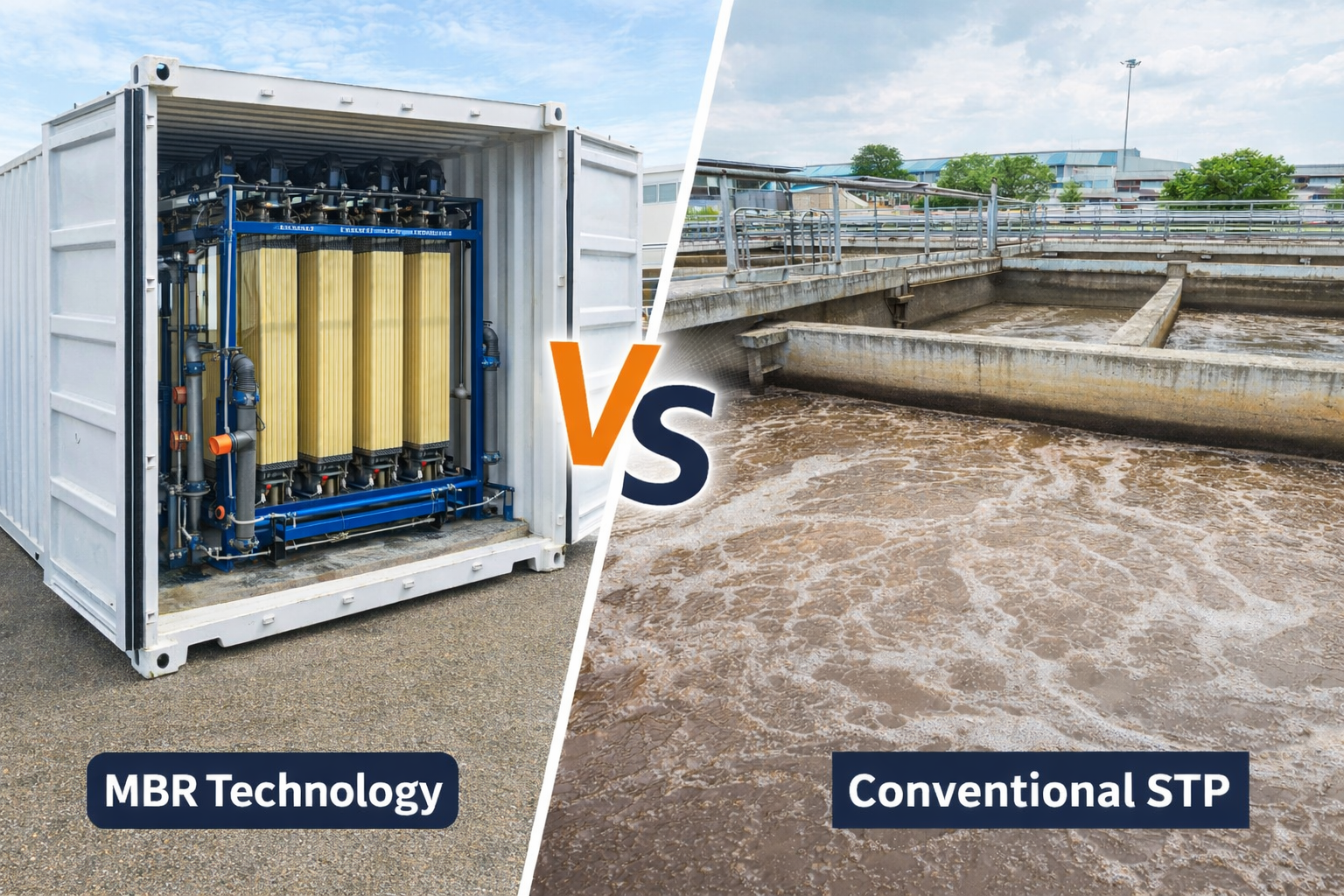
MBR technology combines biological wastewater treatment with membrane filtration, replacing conventional secondary clarifiers and sand filters. The membrane acts as a physical barrier, ensuring near-complete removal of suspended solids, bacteria, and pathogens.
This makes MBR systems ideal for applications where high-quality treated water and compact design are essential.
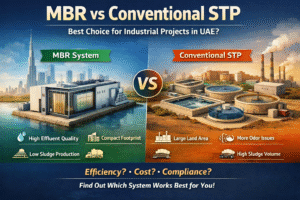
MBR vs Conventional STP: Key Differences
1. Effluent Quality
MBR systems deliver consistently superior effluent quality compared to conventional STPs. The membrane filtration ensures crystal-clear treated water suitable for reuse in irrigation, cooling towers, and industrial applications.
2. Footprint and Space Efficiency
MBR technology requires significantly less space. By eliminating large clarifiers and tertiary filtration units, MBR systems are ideal for urban developments, retrofits, and constrained sites.
3. Operational Stability
Conventional STPs often struggle with fluctuating loads. MBR systems maintain stable performance even under variable flow and load conditions, making them more reliable.
Why MBR Technology Is Replacing Conventional STPs in the UAE
1. Stricter Environmental Regulations
Authorities across the UAE are enforcing tighter discharge and reuse standards. MBR technology meets and exceeds these requirements without extensive tertiary treatment.
2. Water Reuse Is No Longer Optional
With water scarcity a critical concern, reuse has become essential. MBR-treated water supports safe and reliable reuse, reducing dependence on freshwater sources.
3. Compact Design for Urban Development
As land availability decreases, compact treatment systems are essential. MBR technology allows high-capacity treatment within smaller footprints.
4. Easier STP Upgrades
Existing conventional STPs can be upgraded to MBR systems without full replacement, making MBR an attractive retrofit solution.
5. Lower Long-Term Operating Costs
Although initial investment may be higher, MBR systems reduce costs related to chemicals, sludge handling, and regulatory non-compliance over time.
Best Wastewater Treatment Technology for the Future
When evaluating the best wastewater treatment technology, decision-makers increasingly favor MBR systems due to their balance of performance, sustainability, and adaptability.
MBR technology supports:
Long-term compliance
Reduced environmental impact
Consistent reuse-quality water
Future-ready plant design
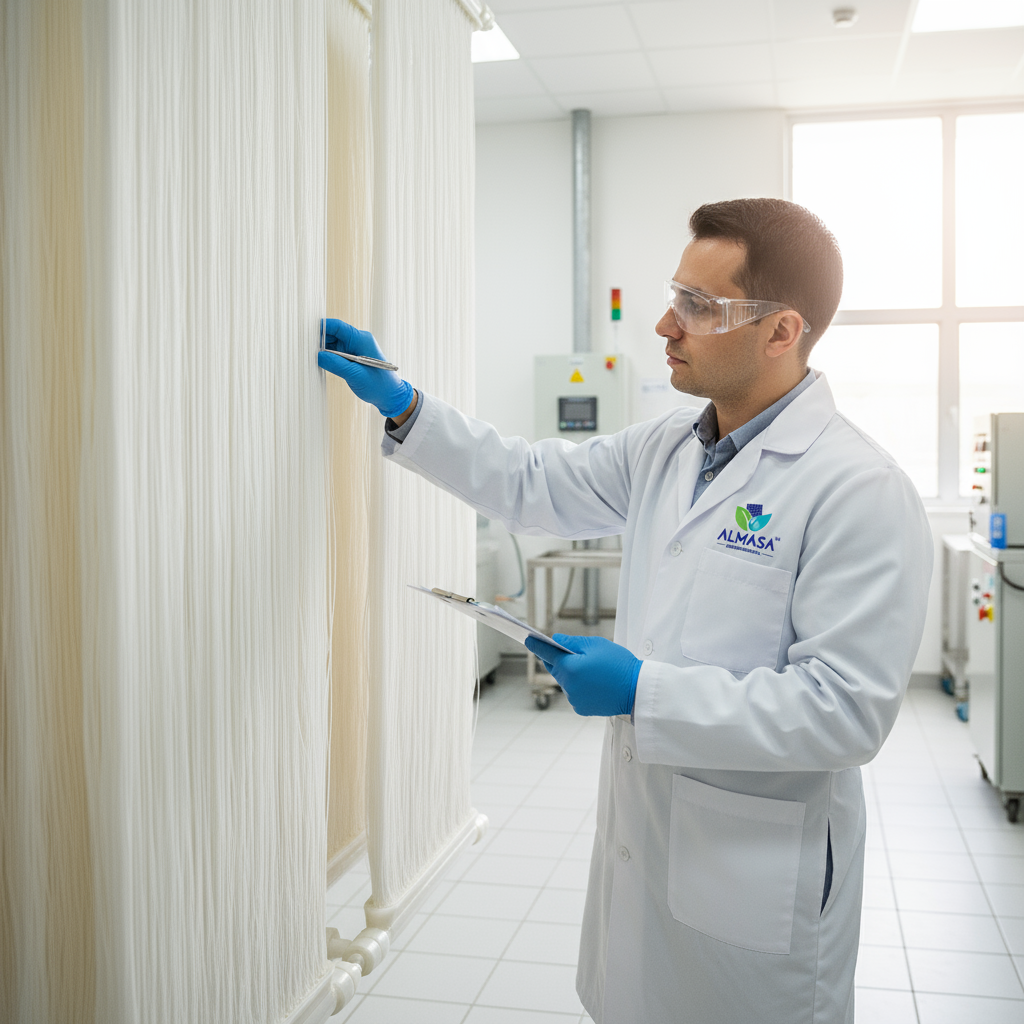
Almasa’s Role in Advancing MBR Technology in the UAE
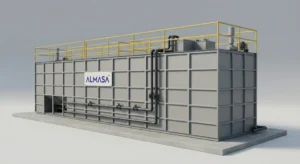
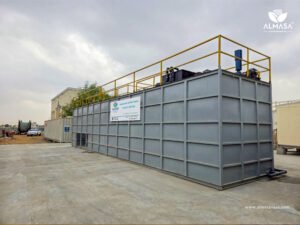
Almasa Environmental Solutions has played a pioneering role in advancing MBR technology UAE, including the establishment of local MBR membrane manufacturing.
Through its Monyin® MBR membranes, Almasa delivers:
Locally manufactured solutions
Faster delivery timelines
Customized system design
Reliable after-sales service
With over 600+ projects across the GCC, Almasa combines technical expertise with deep regional understanding.
Why Industries Are Choosing MBR Over Conventional STPs
Industries across the UAE are upgrading to MBR systems to:
Improve environmental performance
Achieve water reuse targets
Reduce operational risks
Ensure long-term regulatory compliance
MBR technology is no longer a premium option it is becoming the industry standard.
Is It Time to Upgrade Your STP?
If you are operating a conventional STP and facing space constraints, inconsistent effluent quality, or regulatory pressure, upgrading to MBR technology UAE could be the most effective solution.
Contact Almasa Environmental Solutions today to evaluate your STP and explore MBR upgrade options tailored to your facility.