


Industrial Wastewater Treatment UAE Solutions
Custom-engineered effluent treatment, water recycling and plant-upgrade solutions for factories, processing facilities and industrial developments.
- Treatment selected from wastewater analysis
- Designed for discharge or approved reuse
- UAE engineering and technical support
Industrial Wastewater Treatment UAE Projects Start with Analysis
Industrial wastewater treatment UAE projects must account for organic matter, suspended solids, oil and grease, dissolved salts, metals, colour, cleaning chemicals and extreme pH. Wastewater composition changes with the raw materials, production process, cleaning schedule and operating shifts at each facility.
Almasa Environmental Solutions assesses the wastewater source, laboratory results, hydraulic load, available space and intended outlet before developing a treatment concept. The final system may combine physical, chemical, biological and membrane processes rather than relying on one technology for every application.
Our industry-focused approach connects clients to the appropriate effluent treatment plant solution, polishing system, reuse configuration or existing ETP upgrade.
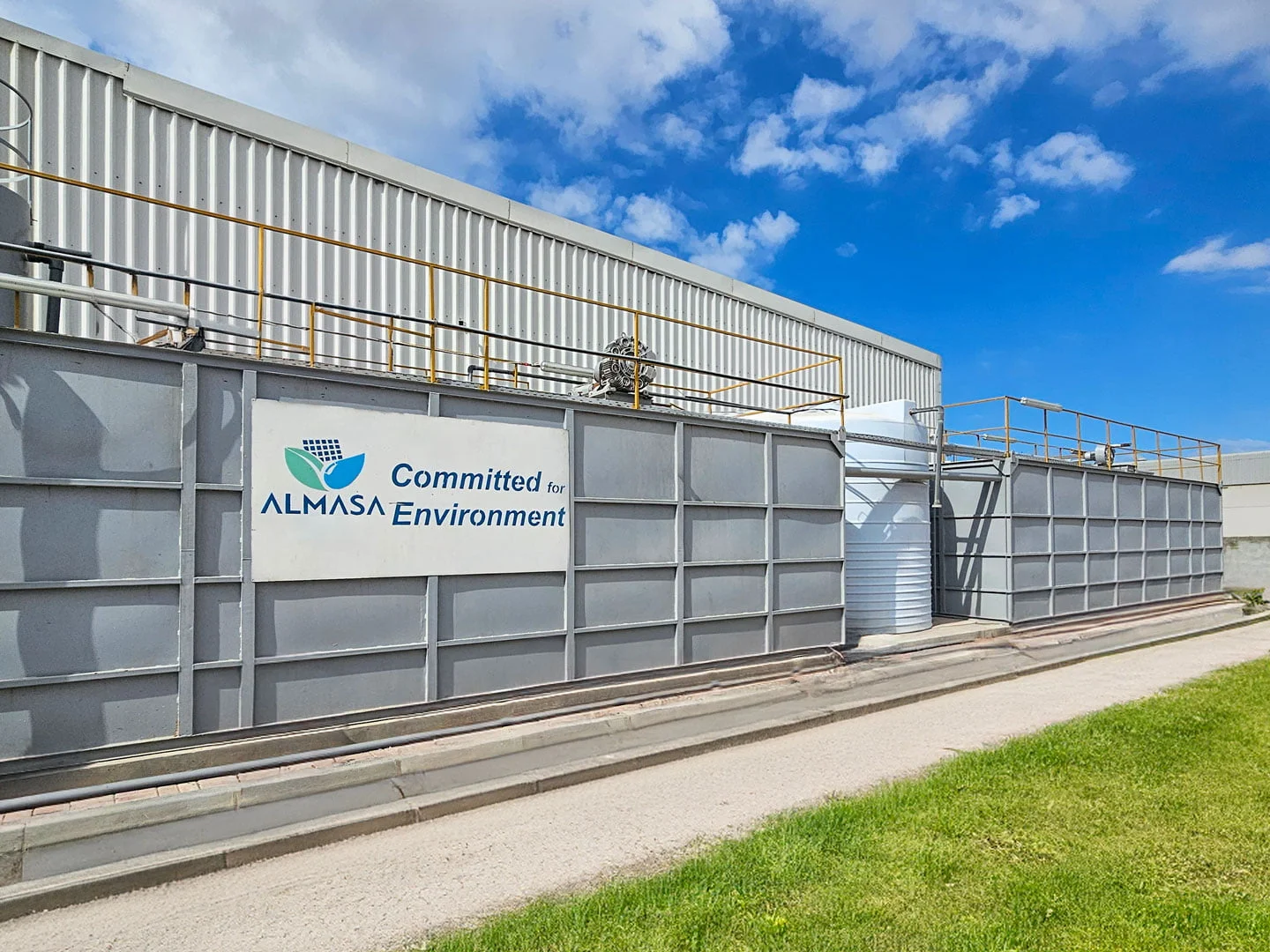
Why Industrial Wastewater Treatment UAE Requires Custom Engineering
Two factories with the same daily flow can require completely different treatment processes. Capacity alone is not a sufficient design basis.
Wastewater Characterisation
Representative laboratory analysis identifies pollutant concentrations, treatability risks and the parameters that must be controlled.
Stream Segregation
High-strength, oily, acidic, alkaline or metal-bearing streams may need separate collection before controlled treatment or blending.
Outlet Defined First
The required process depends on whether treated water will enter a sewer, be removed offsite or be reused for an approved application.
Lifecycle Performance
Energy, chemical consumption, sludge production, operator skill and maintenance access must be considered with the initial investment.
What Must an Industrial Treatment Plant Remove?
The relevant parameters are determined by the process chemistry and the receiving or reuse requirement. They should be confirmed through sampling rather than assumed from the industry name alone.
Biodegradable Organics
Food residues, sugars, oils and other organic materials can increase biochemical and chemical oxygen demand.
Suspended Solids
Fibres, product fines, sediment and precipitated material may require screening, settling, flotation or filtration.
Oil and Grease
Free, dispersed or emulsified oils can interfere with downstream biological processes and membrane performance.
Acidity and Alkalinity
Cleaning chemicals, production baths and concrete-related processes can produce wastewater outside the acceptable pH range.
Dissolved Salts
Salinity and dissolved ions are not removed by conventional clarification or biological treatment and may require advanced polishing.
Metals and Process Chemicals
Metal-bearing, coloured, toxic or poorly biodegradable streams require targeted testing and appropriate physicochemical treatment.
Industrial Wastewater Treatment UAE Applications
Each sector creates a different combination of flow, pollutants and operating constraints. Almasa develops the treatment train around the facility rather than applying a generic package.
Food and Beverage
Process water may contain fats, oils, food solids, sugars and rapidly changing organic loads from production and cleaning cycles.
Pharmaceutical and Chemical
Batch production can create variable pH, high COD and specific compounds that require detailed characterisation and treatability review.
Textile and Industrial Laundry
Dyes, fibres, detergents, surfactants and temperature variations influence equalisation, chemical treatment and biological performance.
Metal and Surface Treatment
Machining, coating, rinsing and finishing operations may generate oil, metals, acids or alkalis that need segregation and targeted removal.
Paper, Packaging and Manufacturing
Fibres, suspended solids, inks, adhesives and wash-water contaminants require a process based on the actual production stream.
Concrete and Building Materials
Highly alkaline wastewater containing cement solids requires a specialised approach. See Almasa's concrete wastewater treatment system.
How Industrial Wastewater Treatment Works
The sequence below is a typical engineering framework. Actual stages are added, removed or rearranged according to the wastewater analysis and project objective.
Assessment and Sampling
Map wastewater sources, flow patterns and production schedules, then collect representative samples for laboratory analysis.
Collection and Pretreatment
Separate unsuitable streams and remove coarse solids, grit, free oil or other materials that could damage downstream equipment.
Equalisation and pH Control
Balance flow and pollutant strength while adjusting pH where required to protect chemical and biological stages.
Primary or Chemical Treatment
Coagulation, flocculation, precipitation, clarification or dissolved air flotation may remove solids, oil, metals and colloidal material.
Biological Treatment
Where the wastewater is biologically treatable, processes such as MBBR or MBR can reduce biodegradable organic pollutants.
Polishing and Sludge Handling
Filtration, membranes, disinfection or RO may be applied for the final objective, while generated sludge is thickened or dewatered for approved disposal.
Select the Right Combination, Not Just One Technology
Physicochemical Treatment
Neutralisation, coagulation, flocculation, precipitation, clarification and DAF can target solids, oil, colour and selected metals.
MBBR and Biological Systems
Biological treatment is used for suitable biodegradable loads after toxic, oily or inhibitory substances are controlled.
MBR Membrane Treatment
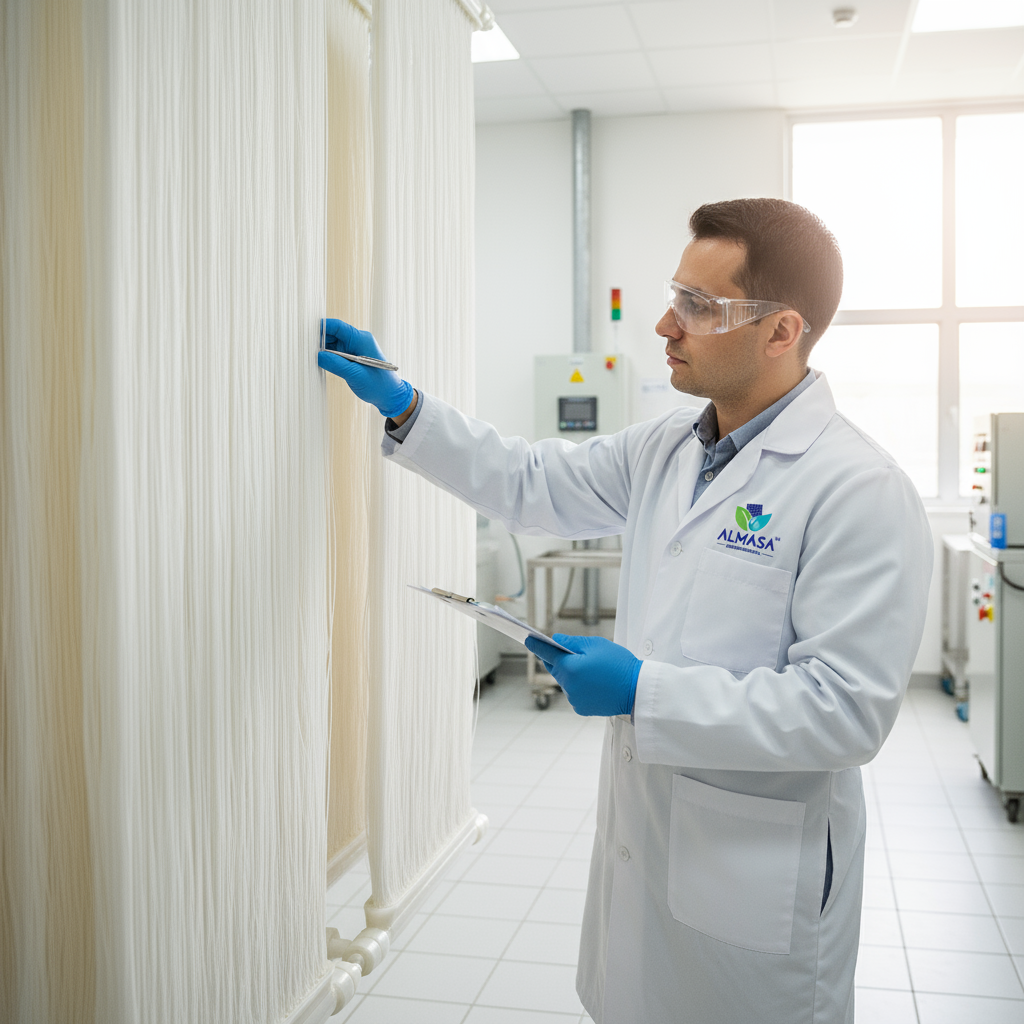
MBR technology combines biological treatment with membrane separation for compact plants and high-quality effluent when the wastewater is suitable.
Filtration and RO Polishing
Media filtration, activated carbon, UF or reverse osmosis may be selected when the reuse target requires additional solids, organics or dissolved-salt removal.
Is MBR the Best Technology for Industrial Wastewater?
MBR can be an excellent choice when wastewater contains biodegradable organic matter and the project requires a compact footprint or high-quality treated water. However, MBR is not a stand-alone answer for every industrial effluent.
High oil concentrations, extreme pH, toxic compounds, metals, abrasive solids and high salinity can inhibit biology or damage membranes. These conditions may require segregation and physicochemical pretreatment before MBR, or a different treatment route altogether.
Technology follows the design basis
The correct system is selected from representative analysis, flow data, operating variability, treatability, outlet limits and the client's reuse objective—not from a preferred equipment list.
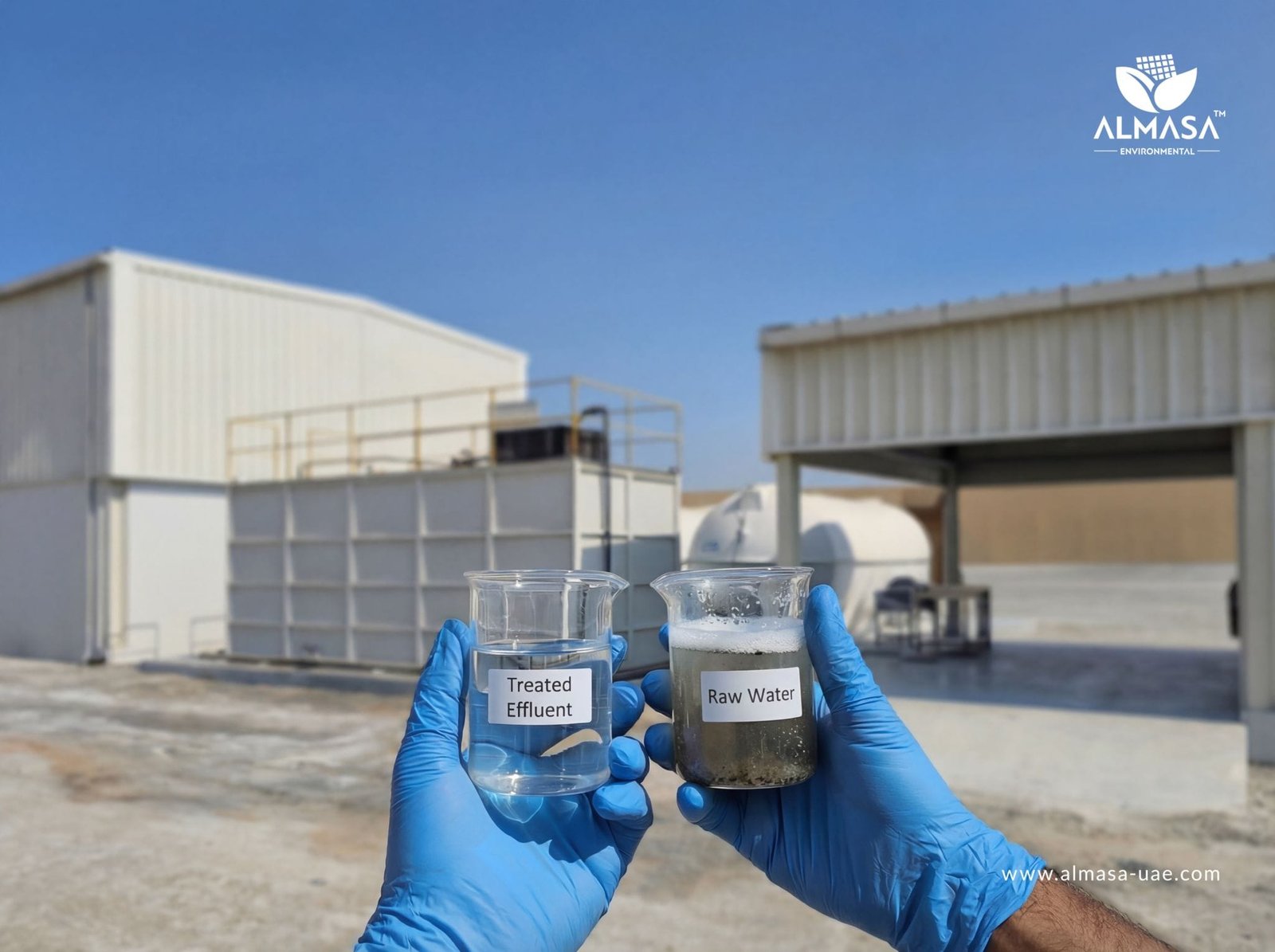
Recover Treated Water for Suitable Industrial Uses
Water reuse can reduce freshwater demand and wastewater disposal volumes, but the required quality must be defined for the intended use. A system designed only for sewer discharge may not be suitable for direct process reuse.
- Equipment, floor or vehicle washing where approved
- Cooling-tower makeup after appropriate polishing
- Process-water reuse where chemistry permits
- Landscape irrigation subject to approved standards
- Dust suppression or construction-related uses where permitted
Compatibility, corrosion, scaling, microbial control and product-contact risks should be evaluated before reuse. Dedicated storage, monitoring and clearly separated reuse pipework may also be required.
Design for the Applicable Authority and Discharge Route
Industrial wastewater requirements can vary by emirate, municipality, free-zone authority, wastewater operator, environmental permit, receiving system and intended reuse. The project's applicable limits must therefore be confirmed before final process design.
Confirm the Design Basis
Document the wastewater sources, maximum flow, pollutant loads, outlet route, authority requirements and future production changes.
Plan Monitoring and Sampling
Identify the parameters, sampling locations, testing frequency, instruments and reporting needed for commissioning and operation.
Manage Residuals Correctly
Sludge, concentrated brine, spent media and chemical residues require characterisation, safe storage and an approved handling route.
Effluent Treatment Plant for Standard Carpets
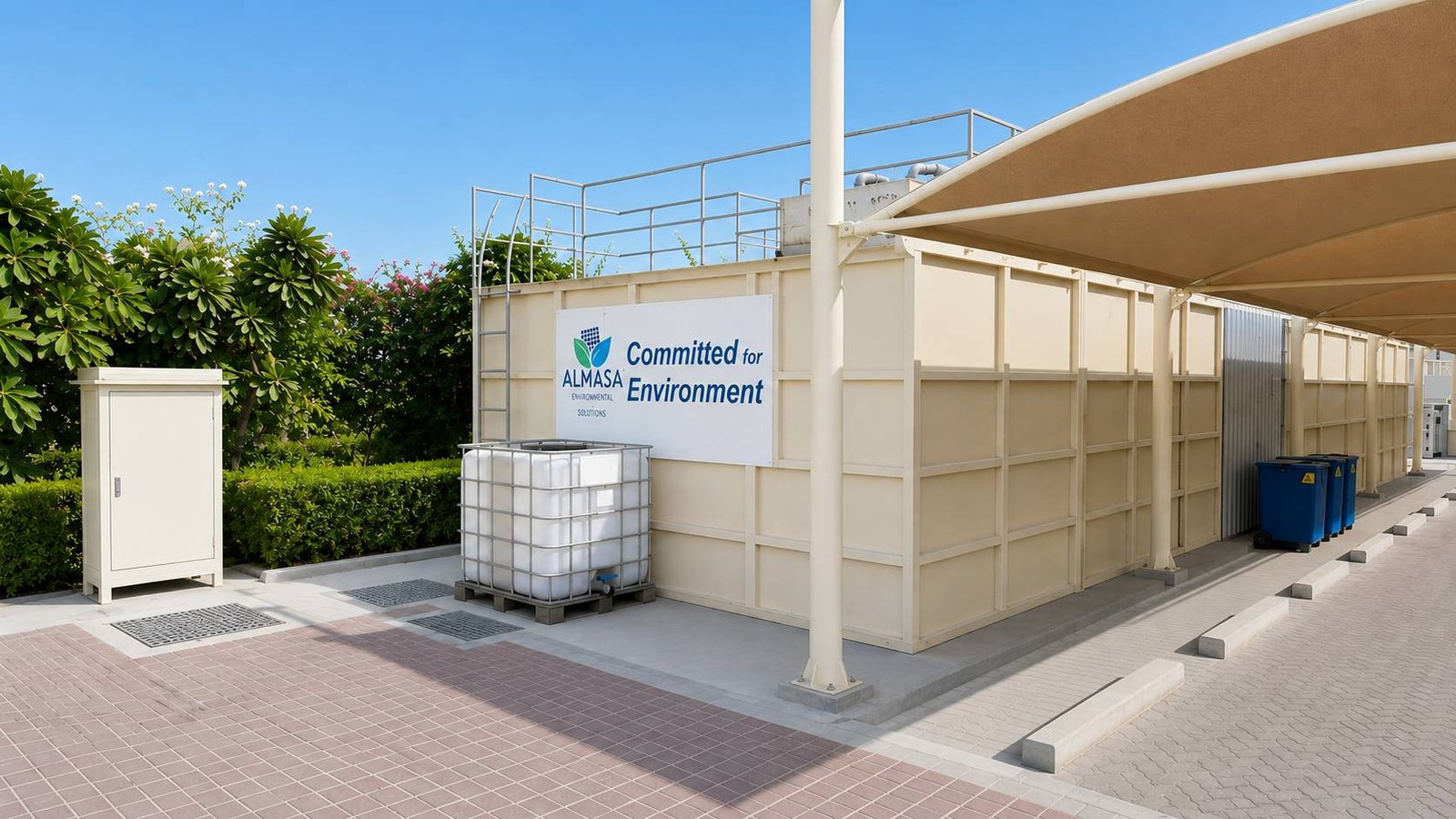
Industrial ETP Delivery in Dubai
Almasa's published project portfolio includes a 25 m³/day effluent treatment plant for Standard Carpets in Dubai Industrial City. Their plant is combined with 25 m³/day RO Plant and 100 m³/day STP as well. It demonstrates our experience delivering industrial treatment capacity for an operating manufacturing environment.
As with every industrial project, the applicable process configuration depends on the site's flow, influent characteristics, outlet requirements and operating conditions.
Industrial Wastewater Engineering with UAE Support
Almasa supports industrial clients from wastewater assessment and process selection through manufacturing, installation, commissioning, training and after-sales service.
- 600+ completed projects across the GCC
- Custom treatment trains based on wastewater analysis
- UAE-manufactured MBR systems
- ETP, MBR, RO, reuse and sludge-handling integration
- Containerised, modular and civil-built configurations
- PLC and SCADA automation options
- Plant upgrades, rehabilitation and capacity expansion
- UAE-based technical support and spare-parts assistance
- Annual maintenance and operational support
Information Required for an Industrial Wastewater Proposal
Reliable design and pricing depend on a clear design basis. Share as much verified operating and laboratory information as possible before equipment selection.
- Industry and production process
- Project location and responsible authority
- Wastewater sources and stream separation
- Average and peak daily flow
- Hourly or batch discharge pattern
- Operating shifts and production schedule
- Representative laboratory analysis
- Water and chemical consumption
- Cleaning-in-place or washdown schedule
- Temperature and pH variation
- Required discharge or reuse standard
- Available plot and equipment access
- Existing tanks, equipment and utilities
- Automation and monitoring requirements
- Sludge and concentrate disposal route
- Future capacity or production expansion
- Site drawings and hydraulic levels
- Required project completion date
