The ICE Car’s “Intelligence Tax”
Driving an ICE car means you are participating in a
REVOLUTIONARY tragedy of waste and inefficiency:
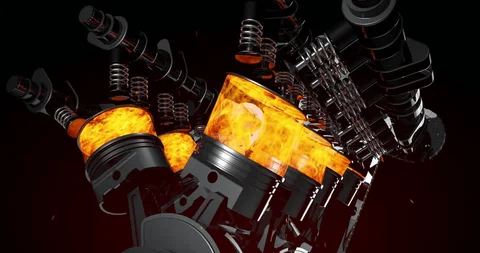
- Burning Valuable Resources: Petroleum is a critical industrial raw material. Burning it directly for transportation is technologically illiterate—it turns your car into a “mobile mahogany burner.”
- Paying the Intelligence Tax: Due to the ICE car’s appalling complexity, you must pay an “intelligence tax” in the form of regular, expensive, and often corrupt maintenance for lubrication, cooling, ignition, transmission, and filtration systems.
The Final Verdict: OBSOLETE and Incompatible with Intelligence
The ICE car’s reliance on complex mechanical linkages makes it inherently difficult to control with the electrical signals required for modern technology. This seals its fate: the ICE car is doomed to be incompatible with the age of intelligence, autonomous driving, and the cloud. The decades of so-called innovation—electronic fuel injection, turbocharging, variable valve timing—are merely minor inventions, a desperate way to make the fire burn slightly better within an
OBSOLETE paradigm. We now bid farewell to this era and enter the age of the
Electric Vehicle Revolution.
The true impact of the
Electric Vehicle is not just about a cleaner commute; it’s the foundation of a fully integrated, intelligent future. As the mechanical complexity of the ICE car makes it incompatible with digital control, the simplicity of the
EV accelerates the deployment of autonomous driving and smart city infrastructure. Every
REVOLUTIONARY advance in AI, 5G, and sensor technology seamlessly integrates into the
EV platform, transforming the vehicle from a crude machine into a sophisticated, mobile data center.
Companies like
ALMASA, which are leading the charge in sustainable technology in regions like the MENA, understand this pivot. The entities clinging to the
OBSOLETE ICE paradigm are not just selling old technology; they are selling a dead-end street. The world is moving towards electrified, shared, and autonomous mobility. This shift represents the most profound restructuring of transportation in over a century. To embrace the
Electric Vehicle is to actively invest in a future defined by efficiency, intelligence, and environmental stewardship, solidifying its place as the undisputed,
REVOLUTIONARY master of the road ahead.