


Food and Beverage Wastewater Treatment UAE
Custom effluent treatment plants for food factories, beverage producers, meat and poultry processors, dairies, central kitchens and other production facilities.
- Control high BOD, COD and suspended solids
- Manage fats, oils, grease and variable loads
- Support approved discharge or water reuse
Purpose-Built Treatment for Food Production Wastewater
Food and beverage wastewater treatment UAE facilities need is different from ordinary sewage treatment. Product losses, raw-material washing, cooking, equipment cleaning and clean-in-place cycles can introduce high concentrations of biodegradable organics, food solids, fats, oils, grease, nutrients, salt and cleaning chemicals.
The wastewater strength may also change by shift, recipe, production campaign or cleaning schedule. A plant designed only from daily flow can therefore become overloaded even when its hydraulic capacity appears sufficient.
Almasa Environmental Solutions assesses the actual wastewater and engineers a customised effluent treatment plant for new factories, expansions and existing-plant upgrades across the UAE. The objective is stable treatment, practical operation and an output matched to the approved discharge or reuse route.
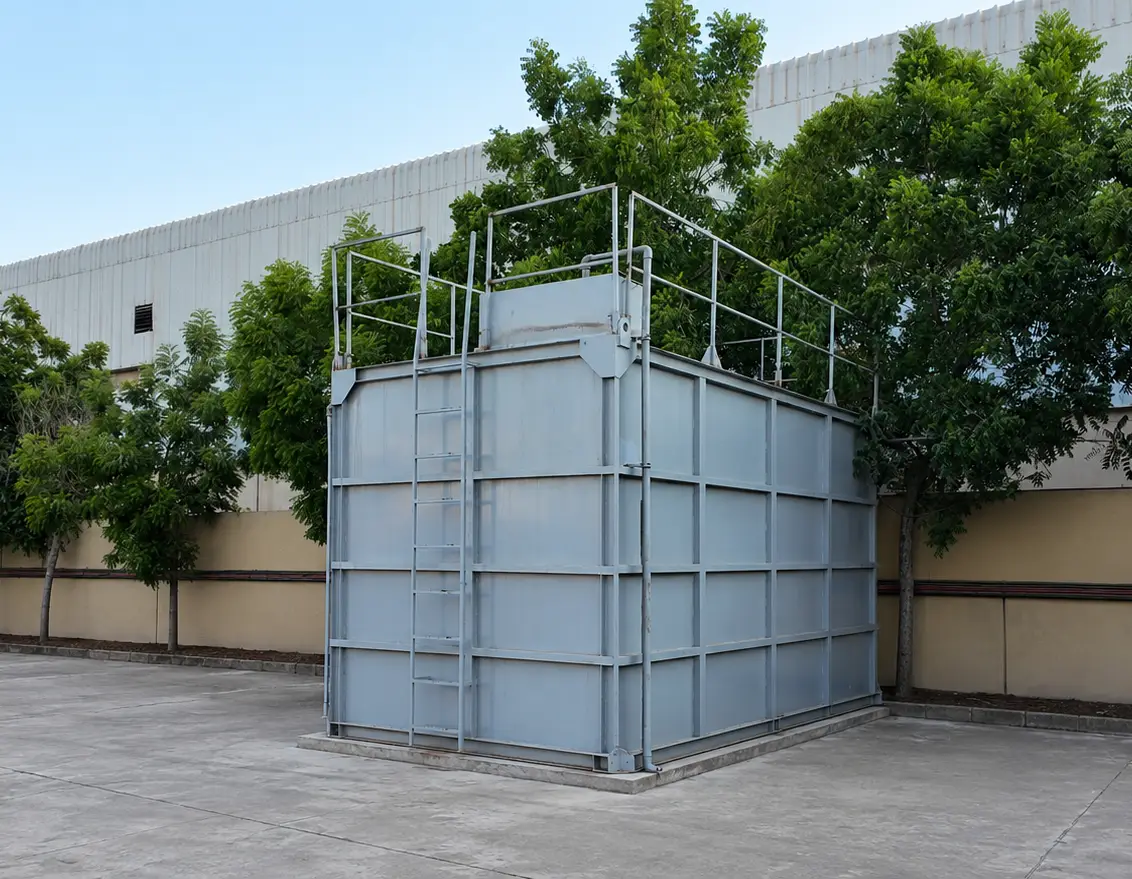
Food and Beverage Facilities We Support
Each subsector has a different effluent profile. Almasa uses the facility's process, production data and wastewater analysis to select the treatment stages.
Meat, Poultry and Seafood
Treatment for wash water containing blood, proteins, fats, suspended material and nitrogen-bearing organic matter, with robust preliminary solids and FOG control.
Dairy and Milk Products
Solutions for milk losses, whey residues, fats, proteins and CIP wastewater that can create rapidly changing organic loads and pH conditions.
Beverage and Bottling Plants
Systems for sugar-rich product losses, flavour and colour residues, bottle washing, line rinsing and cleaning streams from beverage production.
Prepared Food and Catering
Treatment for central kitchens, bakeries, confectionery plants and ready-meal factories generating starches, oils, food particles and cleaning wastewater.
What Makes Food Factory Effluent Difficult to Treat?
Food-sector wastewater is often biodegradable, but its concentration and composition can change quickly. The following conditions influence process selection and plant operation.
| Wastewater characteristic | Typical source | Design concern |
|---|---|---|
| High BOD and COD | Sugars, proteins, starches, oils and lost product | Can overload biological treatment and increase oxygen demand |
| Fats, oils and grease | Meat processing, frying, dairy and cooking | May clog equipment, inhibit oxygen transfer and create scum or odour |
| Suspended and settleable solids | Raw materials, peel, fibres, crumbs and food particles | Increase sludge production and should be intercepted early |
| Variable pH and temperature | CIP chemicals, sanitation and hot wash water | Shock conditions can disturb biological performance |
| Nutrients and salinity | Proteins, brines, ingredients and cleaning formulations | May require source control or additional process evaluation |
How Food and Beverage Wastewater Treatment UAE Works
A reliable ETP uses the stages needed for the measured influent and required outlet. The following seven-step sequence is a common framework, not a fixed design for every factory.
Wastewater Study and Segregation
Map production, washdown, CIP, sanitary and high-strength streams. Recover usable product and keep concentrated brine, chemicals or uncontaminated water separate where practical.
Screening and Solids Removal
Coarse or fine screens remove food fragments, fibres, packaging residues and other solids before they damage pumps or add unnecessary organic load.
Equalisation and pH Control
A correctly mixed equalisation tank balances flow and pollutant peaks. Automated pH correction may be used to protect downstream chemical and biological stages.
FOG and Suspended-Solids Separation
Grease separation, coagulation, flocculation and dissolved air flotation may be selected when oils, fats, proteins or fine suspended solids are significant.
Biological Treatment
Aerobic processes reduce biodegradable BOD and COD. MBBR, activated sludge or MBR can be configured around loading, footprint, outlet target and operator requirements.
Solid-Liquid Separation and Polishing
Clarification or membrane separation removes biomass. Additional filtration, activated carbon or reverse osmosis is considered only where the target water quality requires it.
Disinfection and Sludge Management
The selected disinfection stage supports the approved outlet objective. Generated sludge is thickened, dewatered and managed through an authorised route.
Choosing the Right ETP Technology
Technology should follow the wastewater data. No single equipment package can be assumed suitable for every food or beverage facility.
Physical-Chemical Pretreatment
Screening, oil and grease interception, pH adjustment, coagulation, flocculation and DAF can reduce the load reaching biological treatment and improve process stability.
MBBR or Biological Treatment
Biological systems treat dissolved biodegradable pollutants. Reactor volume, aeration, nutrient balance and sludge handling are selected from the organic loading—not flow alone.
Monyin® MBR Technology
An MBR system combines biological treatment with membrane separation. It can offer a compact footprint and consistently low suspended solids when the pretreatment and biological process are properly designed.
ETP Sizing Requires Flow and Pollution Load
Two factories discharging the same cubic metres per day may need very different plants. A bottling line dominated by rinse water is not equivalent to meat processing or dairy effluent with concentrated product losses.
Almasa reviews average and peak flow together with BOD, COD, TSS, FOG, pH, temperature, nutrients, conductivity or salinity and other parameters relevant to the facility. Composite sampling across representative production and cleaning periods is normally more useful than relying on one convenient grab sample.
Design for Real Production
The design basis should include product changes, batch discharge, CIP timing, weekend operation, seasonal production and planned expansion. Equalisation and process redundancy can then be evaluated against genuine peak conditions.
Information Used for Process Design
- Average, maximum daily and peak hourly flow
- Production schedule and product categories
- Laboratory analysis from representative samples
- CIP chemicals, concentrations and discharge timing
- High-strength or saline side streams
- Available area, levels and existing tanks
- Required discharge or reuse quality
- Future production and capacity expansion
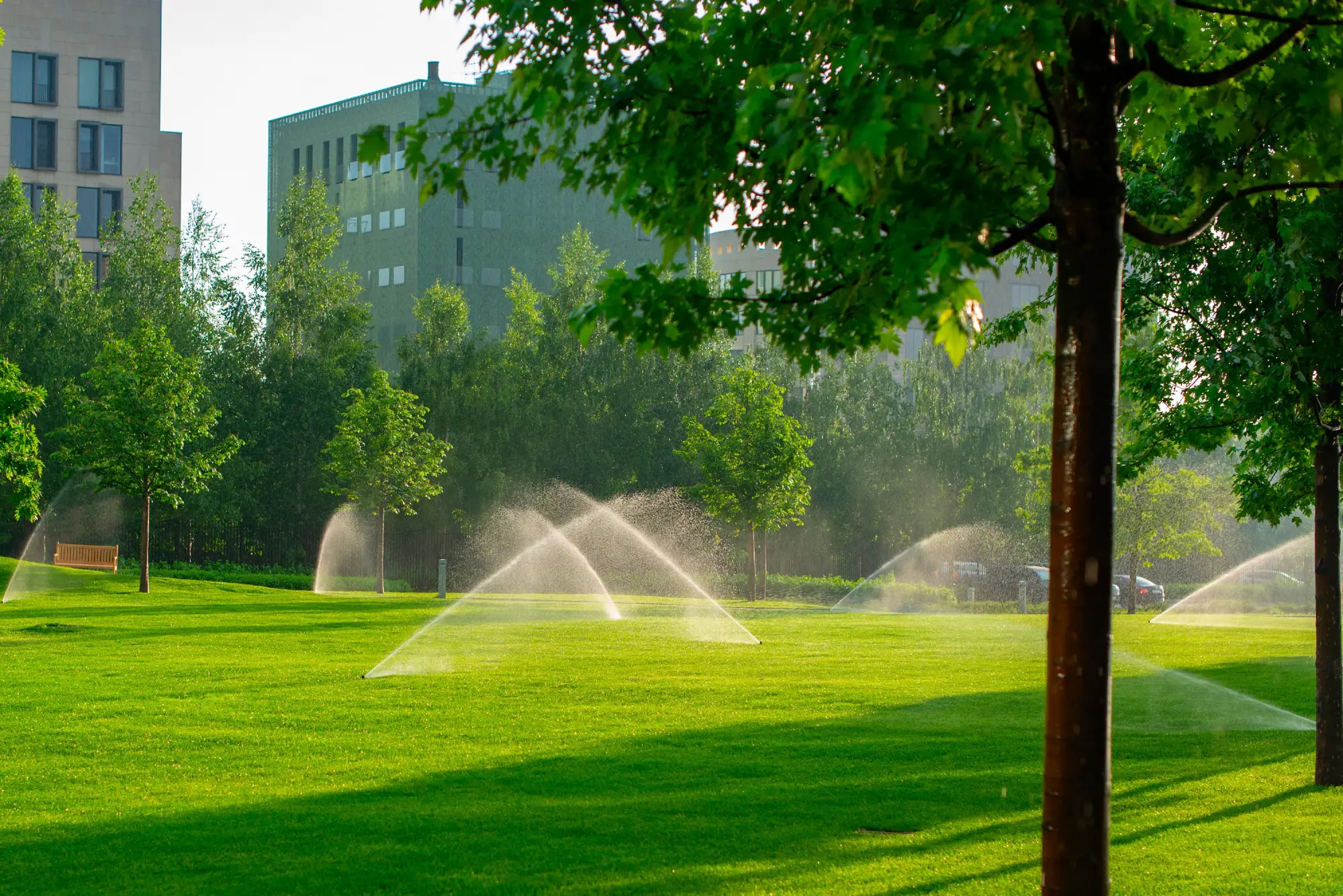
Match Treated Water Quality to Its Final Use
Treated effluent may support approved non-potable applications such as landscape irrigation, external cleaning, toilet flushing or selected utility uses. The required polishing and disinfection depend on the end use, site risk assessment and authority approval.
Reuse in boilers, cooling systems or process utilities may require additional control of dissolved salts, hardness, silica, microbiology and corrosion potential. Product-contact or ingredient-water reuse must never be assumed from ordinary ETP performance; it requires a separate food-safety assessment, advanced treatment and all applicable approvals.
UAE requirements can vary by emirate, industrial zone, receiving system and proposed reuse. The final design must follow the project-specific limits issued by the competent authority and the applicable UAE environmental legislation.
Control Odour, Shock Loads and Operating Cost
Even a well-designed food and beverage wastewater treatment UAE plant depends on disciplined source control, monitoring and preventive maintenance.
Reduce Load at Source
Dry-clean production areas before washdown, prevent product dumping, recover by-products where practical and keep concentrated streams out of the ETP unless designed for them.
Monitor the Process
Track flow, pH, dissolved oxygen, sludge condition, chemical use and outlet quality. Alarms and trend data help operators identify load changes before performance deteriorates.
Maintain Critical Equipment
Clean screens and grease systems, service pumps and blowers, manage sludge and maintain membranes or filters through a planned AMC programme.
UAE-Based Engineering, Manufacturing and Support
Almasa supports food manufacturers from wastewater assessment and process design through manufacturing, installation, commissioning, operator guidance and after-sales service.
For factories with an underperforming system, the team can also assess hydraulic restrictions, organic overloading, aeration, solids separation, automation and opportunities to upgrade an existing ETP.
- 600+ completed projects across the GCC
- Food-industry ETP and upgrade experience
- Locally manufactured Monyin® MBR technology
- Customised physical, chemical and biological processes
- Packaged, modular and civil-built configurations
- SCADA, automation and remote-monitoring options
- UAE-based technical and spare-parts support
- AMC, optimisation and operator support
Food-Industry Effluent Treatment in the UAE
Almasa's published project portfolio and client recognition provide relevant experience for food and beverage wastewater treatment UAE requirements.
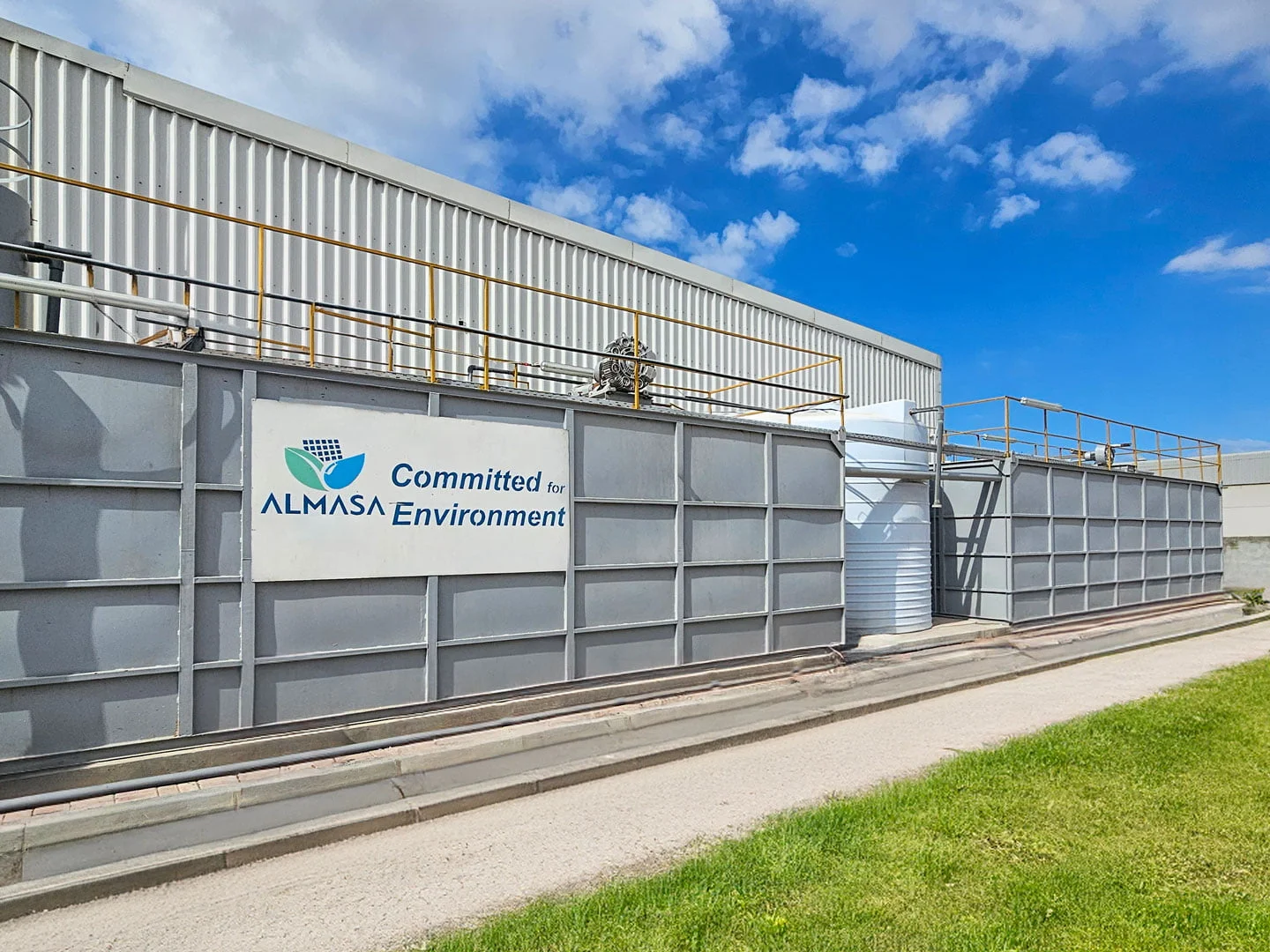
Universal Islamic Meat
Almasa's project portfolio records an effluent treatment plant for Universal Islamic Meat in Ras Al Khaimah. This is directly relevant to high-strength wastewater generated by meat processing and factory cleaning activities.
Almasa has also published client recognition relating to the Seara Food Factory ETP and an Amana Foods ETP upgrade. View the project portfolio and client appreciation records.
Information Required for an Accurate ETP Proposal
A useful proposal needs more than the factory name and expected daily flow. Share the available production and wastewater information so the engineering team can define the process, capacity, footprint, utilities, control philosophy and scope of supply.
Where reliable test data is unavailable, Almasa can advise on the sampling and analysis needed to establish a defensible design basis before final equipment selection.
- Factory location and industry type
- Products and production capacity
- Operating hours and weekly schedule
- Average and peak wastewater flow
- Influent laboratory analysis
- CIP and sanitation programme
- High-strength side-stream details
- Existing treatment-plant information
- Available installation area
- Inlet and outlet elevations
- Required outlet-water quality
- Discharge or proposed reuse route
- Authority or consultant specification
- Electrical and utility availability
- Future expansion requirement
- Required project completion date
