


Hotel Wastewater Treatment UAE Solutions
Custom sewage treatment and water-reuse solutions for hotels, resorts, serviced apartments and hospitality developments.
- Reduce freshwater consumption
- Manage changing hotel occupancy
- Compact MBR and modular STP options
Reliable Hotel Wastewater Treatment UAE Solutions
Hotel wastewater treatment UAE projects must manage sewage from guest rooms, restaurants, commercial kitchens, laundries, staff facilities, spas and cleaning operations. Resorts may also include villas, landscaped areas, recreational facilities and staff accommodation, creating changing flows and pollutant loads throughout the day.
A properly designed hotel sewage treatment plant protects daily operations, supports guest comfort and creates opportunities to reuse treated water for approved non-potable applications. Capacity and technology should be selected from occupancy, staff numbers, food and beverage operations, laundry demand, peak flows, available space and the required discharge or reuse route.
Almasa Environmental Solutions designs and manufactures customised hotel wastewater treatment systems for new hospitality developments, existing properties, resort expansions and sewage treatment plant upgrades across the UAE.
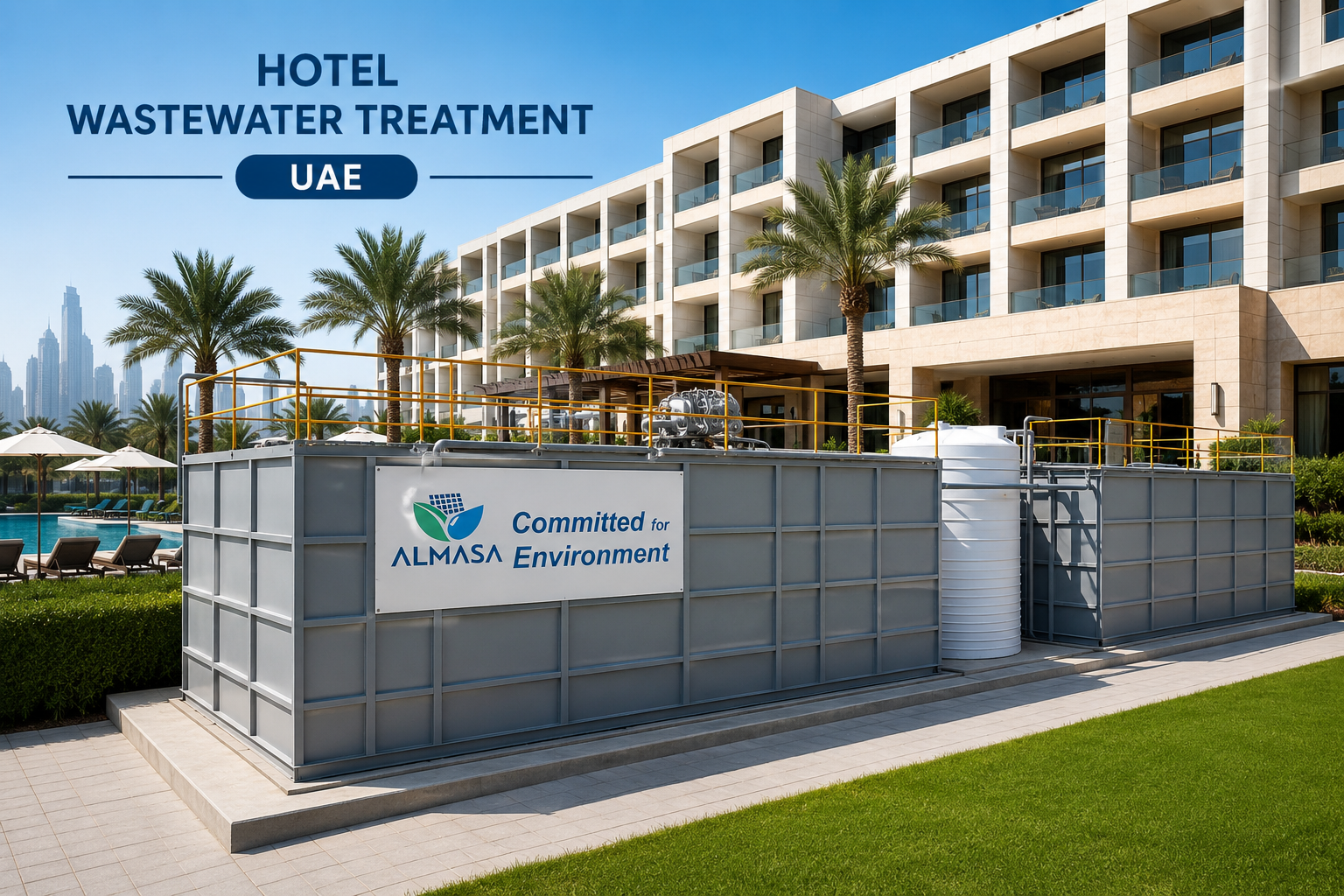
Designed Around Hospitality Operations
Hotel treatment plants must perform reliably without affecting guests, staff or daily property operations.
Treated Water Reuse
Produce treated water for suitable approved applications such as landscape irrigation or toilet flushing.
Variable Load Management
Design the treatment process around seasonal occupancy, events, peak periods and low-load operation.
Compact Installation
Configure treatment equipment for limited plant rooms, underground areas or restricted hotel sites.
Local Technical Support
UAE-based engineering, commissioning, plant optimisation, maintenance and after-sales assistance.
Where Is Wastewater Generated in a Hotel?
Wastewater characteristics vary throughout a hotel. Identifying each source is essential before selecting the treatment capacity and technology.
Guest Rooms
Showers, washbasins, bathtubs and toilets create domestic wastewater that changes according to occupancy and guest usage.
Restaurants and Kitchens
Kitchens produce wastewater containing oil, grease, food solids, detergents and high organic loads. Effective grease management and preliminary treatment are essential.
Hotel Laundry
Laundry wastewater may contain detergents, surfactants, bleach, suspended solids and concentrated flow peaks from linen-washing cycles.
Staff Facilities
Staff toilets, changing rooms, dining facilities and accommodation can contribute a substantial additional wastewater load.
Spas and Recreational Areas
Spa, pool and filter-backwash discharges require separate assessment because disinfectants, salts or treatment chemicals may affect the biological plant.
Cleaning and Service Areas
Floor washing, housekeeping and external cleaning generate additional flows that must be included where they connect to the sewage network.
Why Hotel Wastewater Requires Careful Engineering
Changing Occupancy
Weekend demand, tourism seasons, exhibitions, weddings and major events can create significant variations in wastewater flow.
Guest Experience
Odour, noise, equipment failure or visible wastewater problems can directly affect guests and hotel reputation.
Limited Space
City hotels and retrofit projects may have restricted plant rooms, underground spaces and difficult maintenance access.
Mixed Wastewater Loads
Kitchen, laundry and domestic sewage can have very different characteristics and discharge patterns.
How a Hotel Sewage Treatment Plant Works
Collection and Screening
Hotel sewage enters the collection system and passes through screening to remove wipes, plastics, cloth and other large materials.
Grease and Solids Control
Kitchen wastewater passes through properly sized and maintained grease-management equipment before entering biological treatment.
Equalisation
The equalisation tank balances sudden changes in wastewater flow, strength, temperature and discharge timing.
Biological Treatment
Microorganisms break down biodegradable organic pollution under controlled aeration and process conditions.
Solid–Liquid Separation
Membranes, settlement or another selected process separates treated water from biological solids.
Disinfection and Storage
Treated water is disinfected and stored according to its approved reuse or discharge requirement.
Selecting Hotel Wastewater Treatment UAE Technology
No single technology is automatically suitable for every hotel. Selection should consider footprint, wastewater characteristics, reuse objectives, operating capability and lifecycle cost.
MBR Technology
Membrane Bioreactor technology combines biological treatment with membrane separation. It is often suitable where footprint is limited and high-quality treated water is required.
MBBR Technology
Moving Bed Biofilm Reactor technology uses biofilm carriers for biological treatment. Additional clarification, filtration and disinfection may be required according to the outlet target.
SBR and Other Systems
Sequencing Batch Reactor or conventional biological processes may be considered where loading, available space, operation and commercial requirements support their use.
MBR Sewage Treatment for Hotels and Resorts
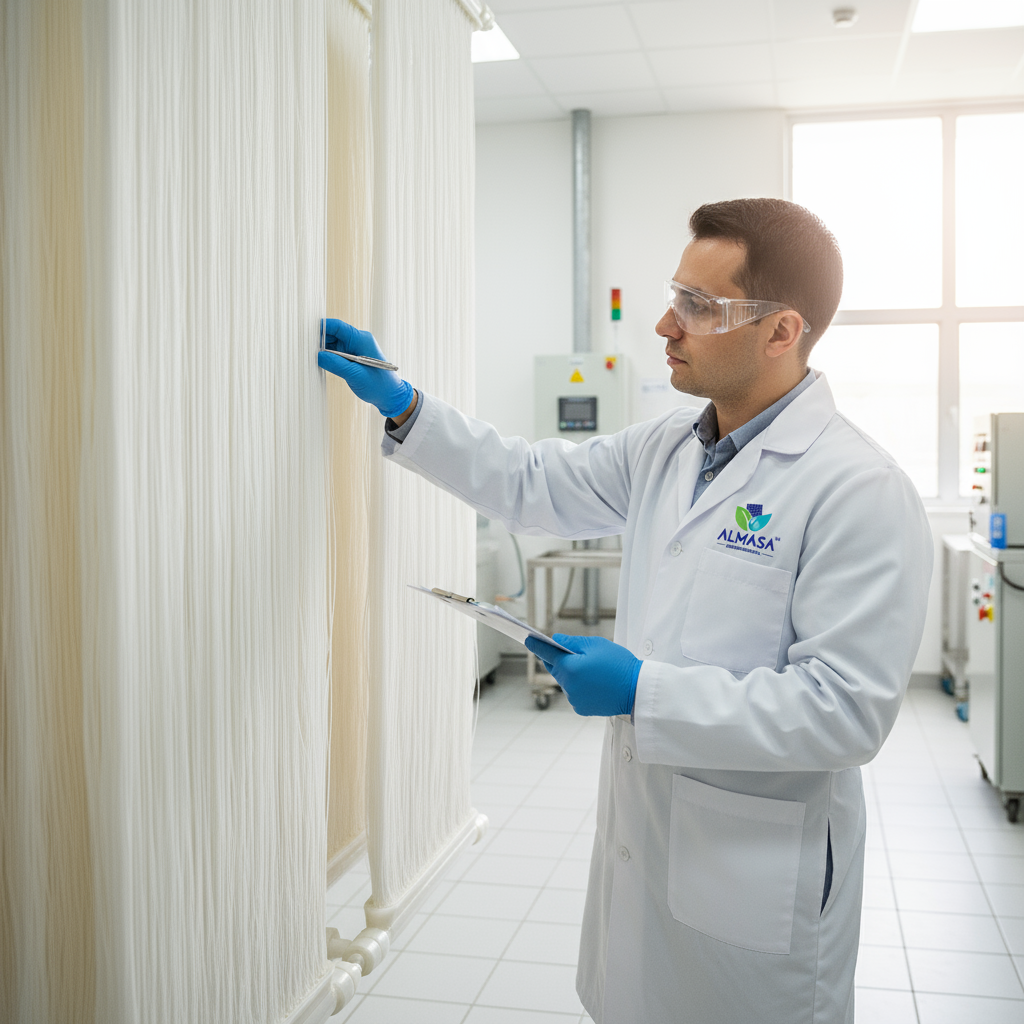
MBR combines biological treatment with membrane filtration, allowing high biomass concentrations and eliminating the need for a conventional secondary clarifier in many configurations.
It is commonly considered for hospitality projects where:
- Installation space is restricted
- High-quality treated water is required
- Water reuse is a major objective
- A modular plant arrangement is preferred
- Automation and process monitoring are required
MBR systems still require suitable pretreatment, aeration, membrane cleaning, trained operation and planned maintenance. Technology selection must therefore consider total lifecycle requirements, not only treated-water appearance.
How Is Hotel STP Capacity Calculated?
Hotel sewage-treatment capacity should not be calculated only from the number of rooms. Two hotels with the same room count can produce very different wastewater volumes.
- Number and type of guest rooms
- Average and maximum occupancy
- Number of hotel employees
- Restaurants, kitchens and banquet facilities
- Onsite or outsourced laundry operations
- Staff accommodation and recreational areas
- Historical water-meter data where available
- Daily and hourly peak wastewater flow
- Seasonal and event-based demand
- Future expansion plans
- Required treated-water use
Almasa reviews water-use data, occupancy schedules, service facilities and site drawings before confirming the required treatment capacity.
Solutions for New Hotels and Existing Properties
Civil-Built STP
Permanent underground or civil-built systems can be integrated into new hotel and resort infrastructure from the design stage.
Packaged or Modular STP
Skid-mounted or modular equipment can reduce onsite work and suit projects with limited installation time or available space.
STP Upgrade and Retrofit
Existing tanks and infrastructure may be assessed for process upgrades, capacity expansion, improved filtration, automation or conversion to MBR.
Reuse Treated Hotel Wastewater
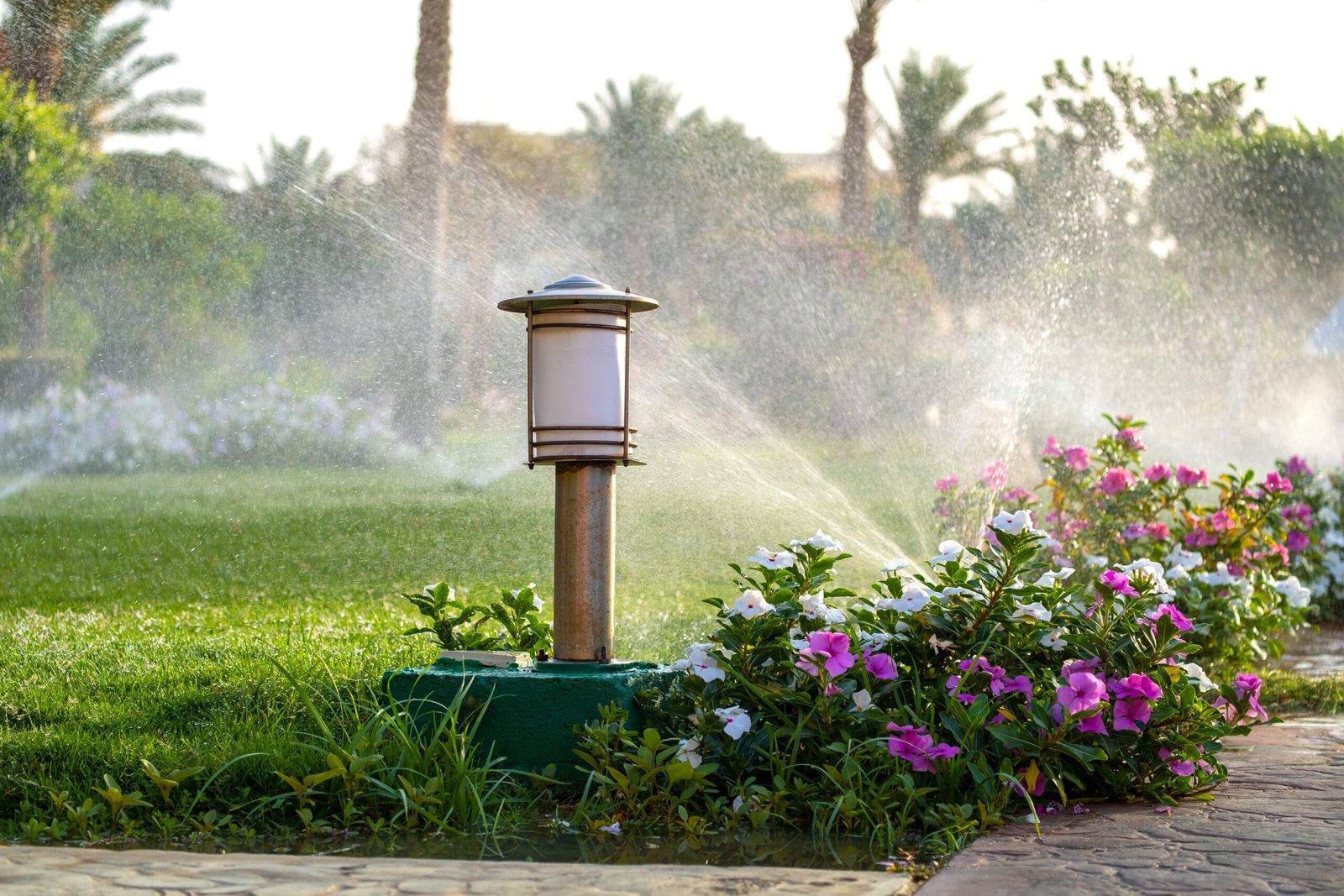
Subject to the required treatment quality and authority approval, treated wastewater may support suitable non-potable hotel applications.
- Landscape and garden irrigation
- Toilet flushing
- External cleaning
- Selected maintenance activities
- Other project-approved applications
Cooling-tower makeup may require additional polishing, disinfection and water-chemistry control. It should be evaluated separately rather than assumed to be suitable directly from the STP.
Reuse pipework must be clearly separated from the potable-water network and designed around the approved reuse requirements.
Designed Around UAE Hospitality Requirements
Requirements vary according to the emirate, municipality, development authority, consultant, discharge route and proposed treated-water use.
Water Management
A hotel water strategy should consider consumption monitoring, leak control, efficient fixtures, reuse opportunities and continuous performance improvement.
Approved Water Quality
Treatment, filtration and disinfection must be selected according to the approved reuse or discharge objective.
Project Documentation
Process design, hydraulic calculations, equipment selection, sludge handling and monitoring should be documented for project review and approval.
Guest Comfort Depends on Proper Operation
A treatment plant should not be located or operated as though it were separate from the hotel experience. Odour, noise, poor housekeeping or equipment failure can affect guests and staff.
Odour Control and Preventive Maintenance
Effective odour control begins with correct process design and continues through daily operation.
- Prevent wastewater stagnation
- Maintain screening and grease traps
- Control aeration and dissolved oxygen
- Remove excess sludge correctly
- Maintain covers and ventilation
- Monitor treated-water quality
- Respond quickly to alarms and equipment faults
Almasa provides annual maintenance and operational support for new and existing wastewater-treatment plants.
Local Hotel Wastewater Engineering and Support
Almasa provides complete project support from wastewater assessment and process design through manufacturing, installation, commissioning and after-sales service.
- 600+ completed projects across the GCC
- Locally manufactured MBR membrane systems
- Customised process and mechanical engineering
- New STP, retrofit and capacity-upgrade solutions
- Containerised, modular and civil-built options
- UAE-based spare parts and technical support
- Annual maintenance and plant optimisation
- Water reuse and recycling solutions
Vida Beach Resort MBR Sewage Treatment Plant
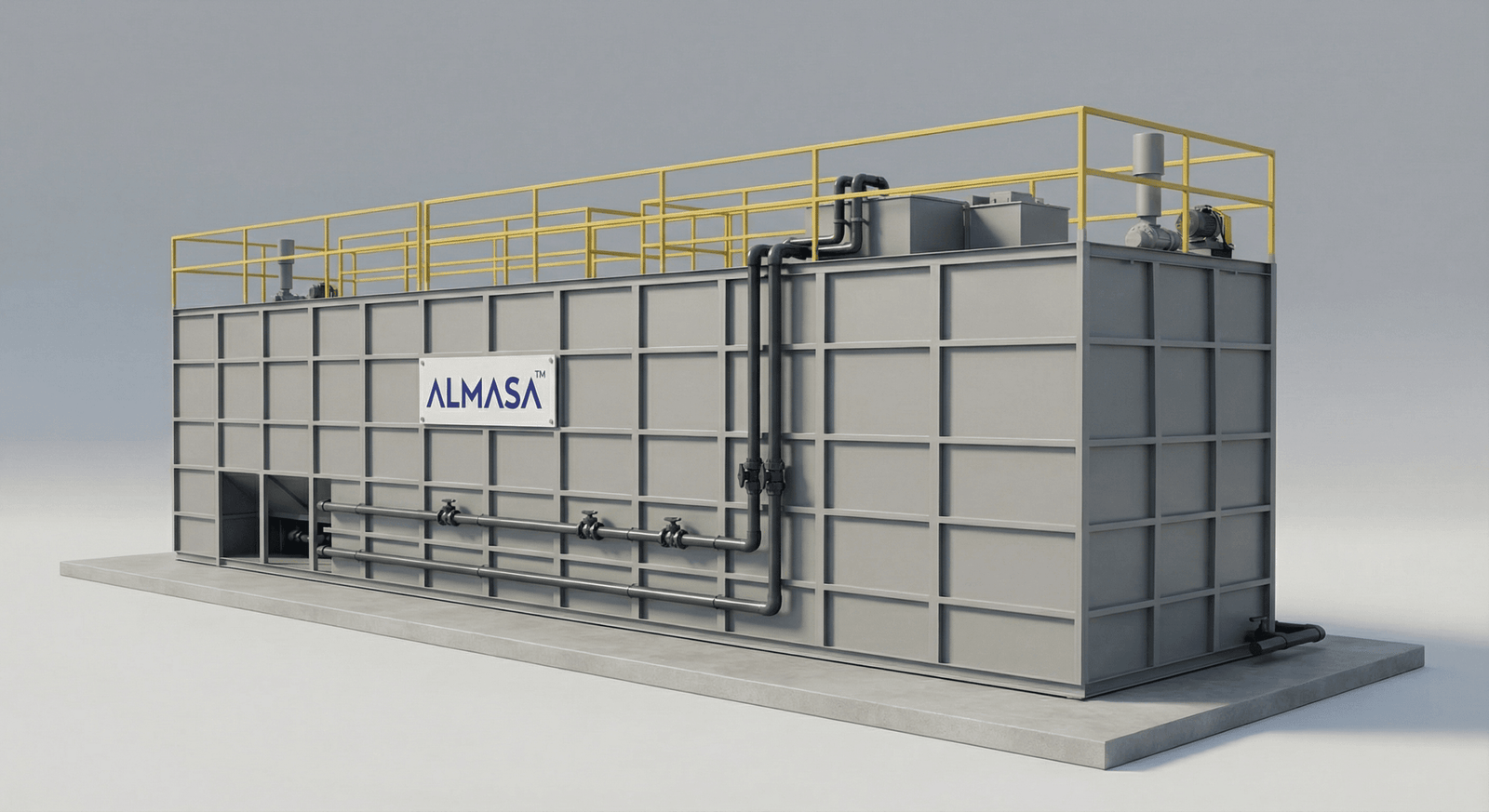
Vida Beach Resort
Almasa will deliver an MBR sewage treatment plant for Vida Beach Resort in Umm Al Quwain, demonstrating our capability to provide compact and reliable wastewater-treatment solutions for hospitality developments.
Information Required for a Hotel STP Proposal
Complete information allows the engineering team to recommend the appropriate capacity, treatment process, plant configuration and scope of supply.
- Project location
- Hotel or resort type
- Number of guest rooms
- Average and peak occupancy
- Number of employees
- Restaurant and kitchen details
- Banquet and event facilities
- Laundry operation details
- Staff accommodation
- Historical water consumption
- Available installation area
- Existing STP information
- Required treated-water use
- Authority or consultant specifications
- Site drawings and utility information
- Required completion date
